 all Zweiradler Tours
| Previous Report | All Reports | Next Report |
Days 1380–1392 • Sokcho – Moscow • 
The History of the Transsib
FAQ: How-To Report About Our Return to the EU/Estonia From South Korea by Trans-Siberian Railway
Back to Europe Part I: The Trans-Siberian Railway
Published on 04.05.2026, 15:31 in Narva, Estonia
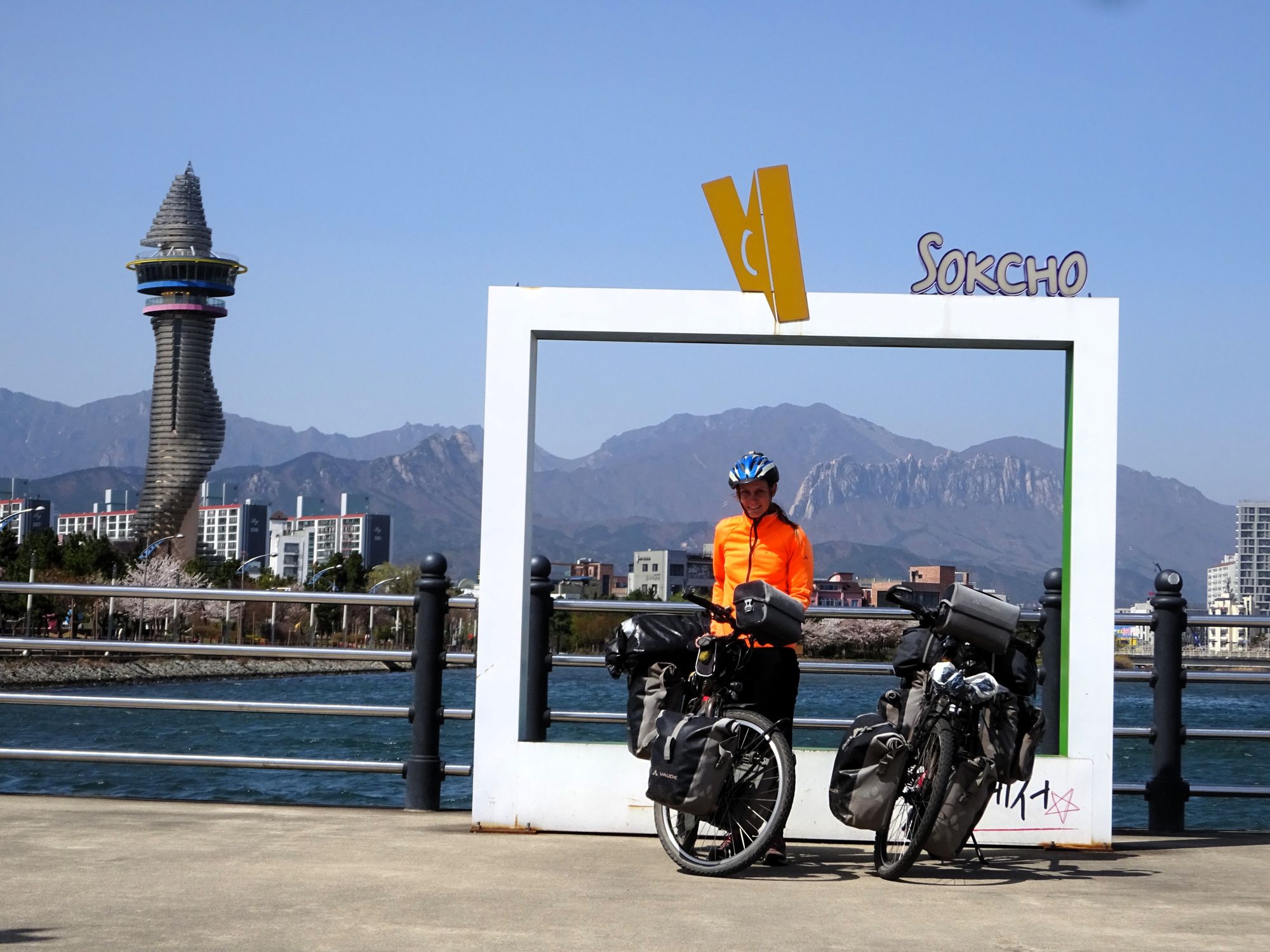
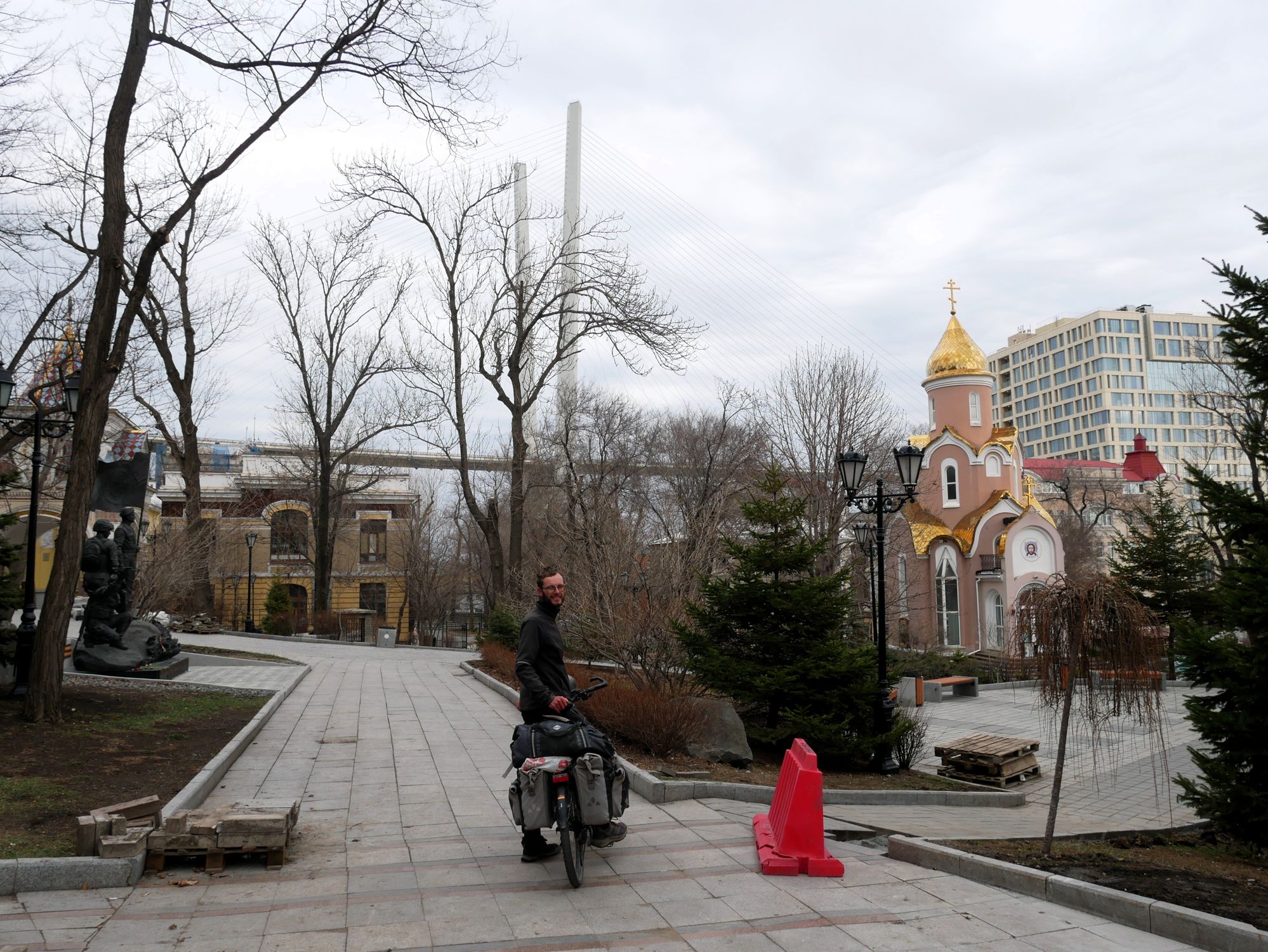
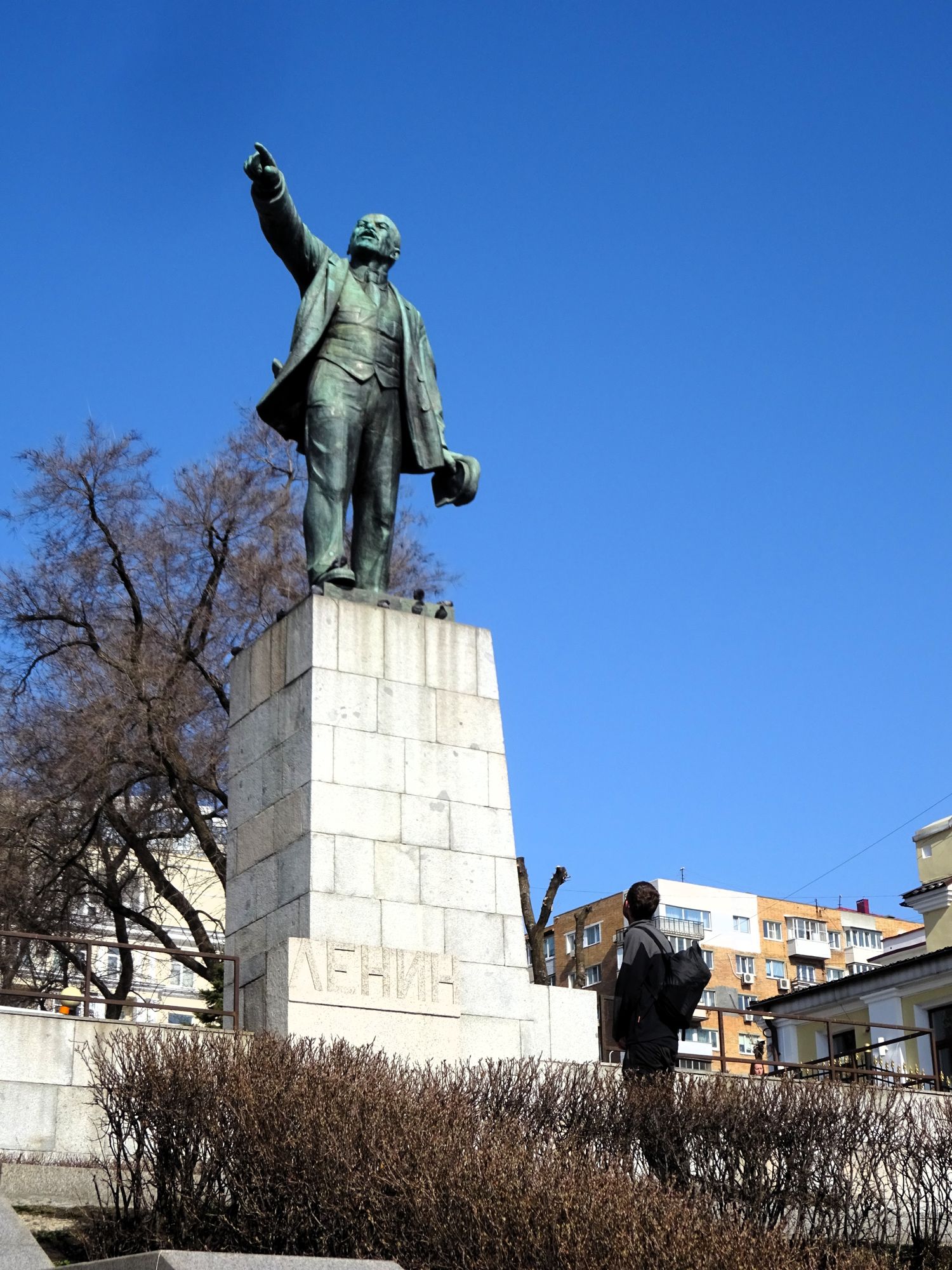
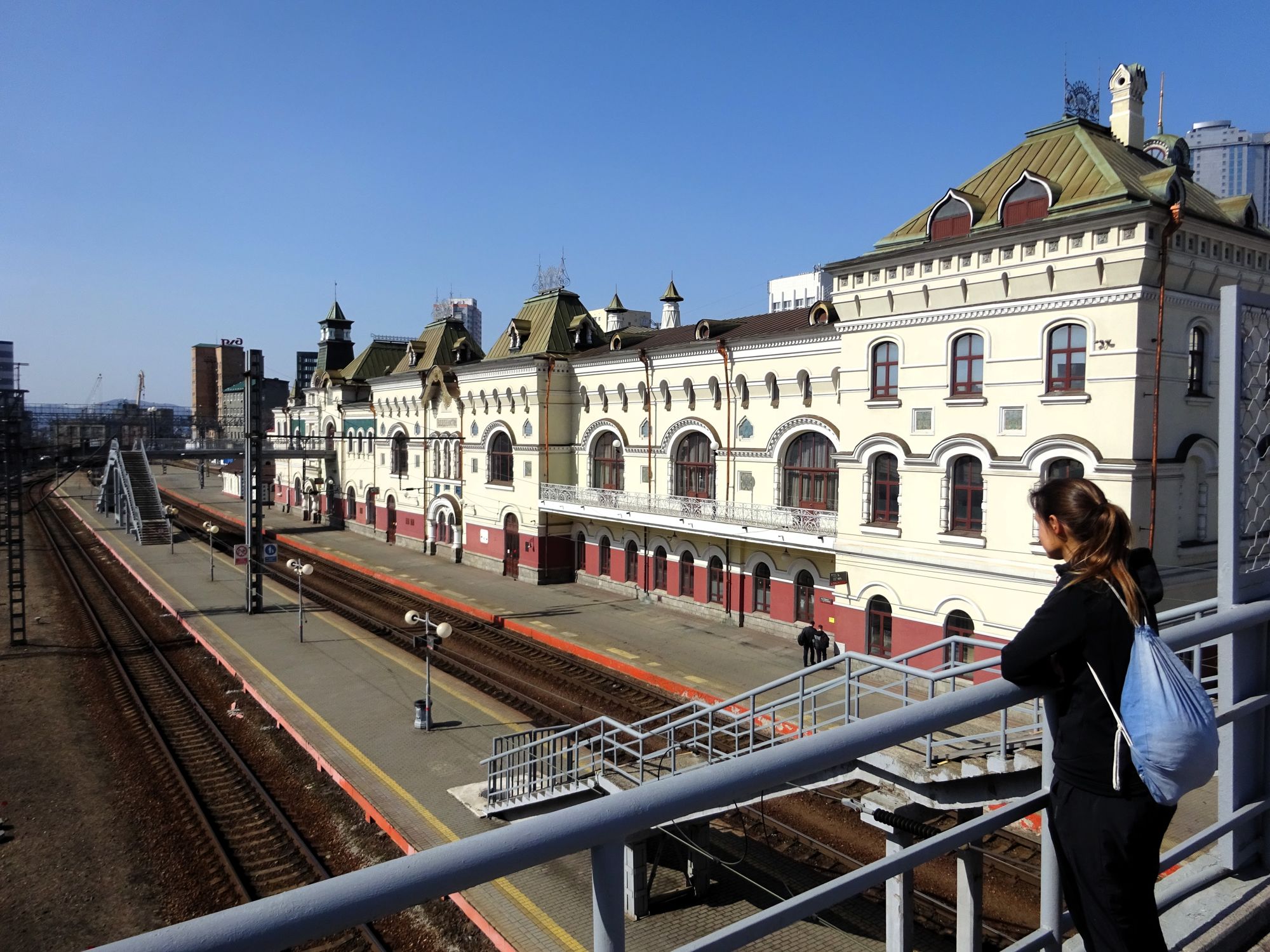
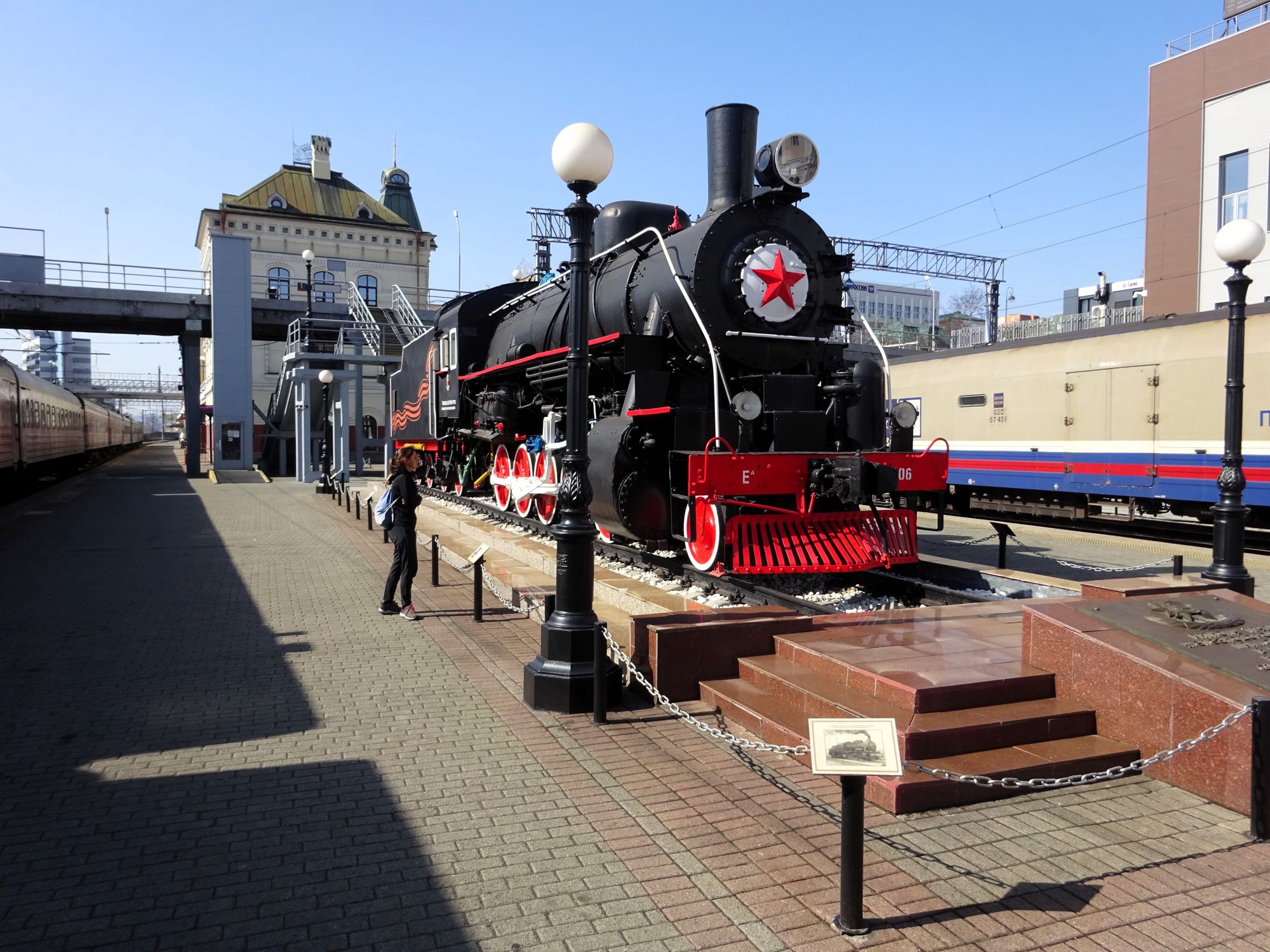
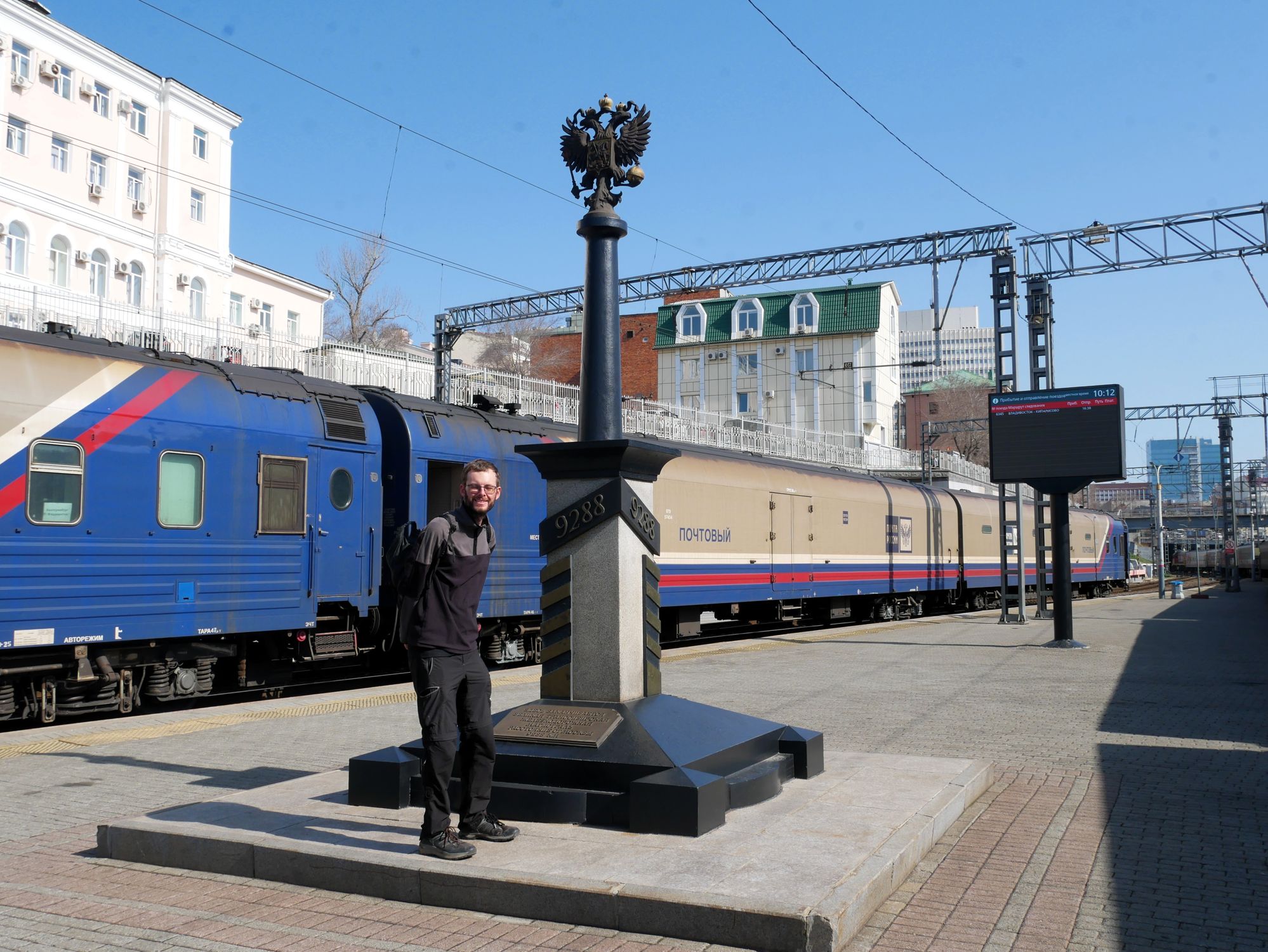
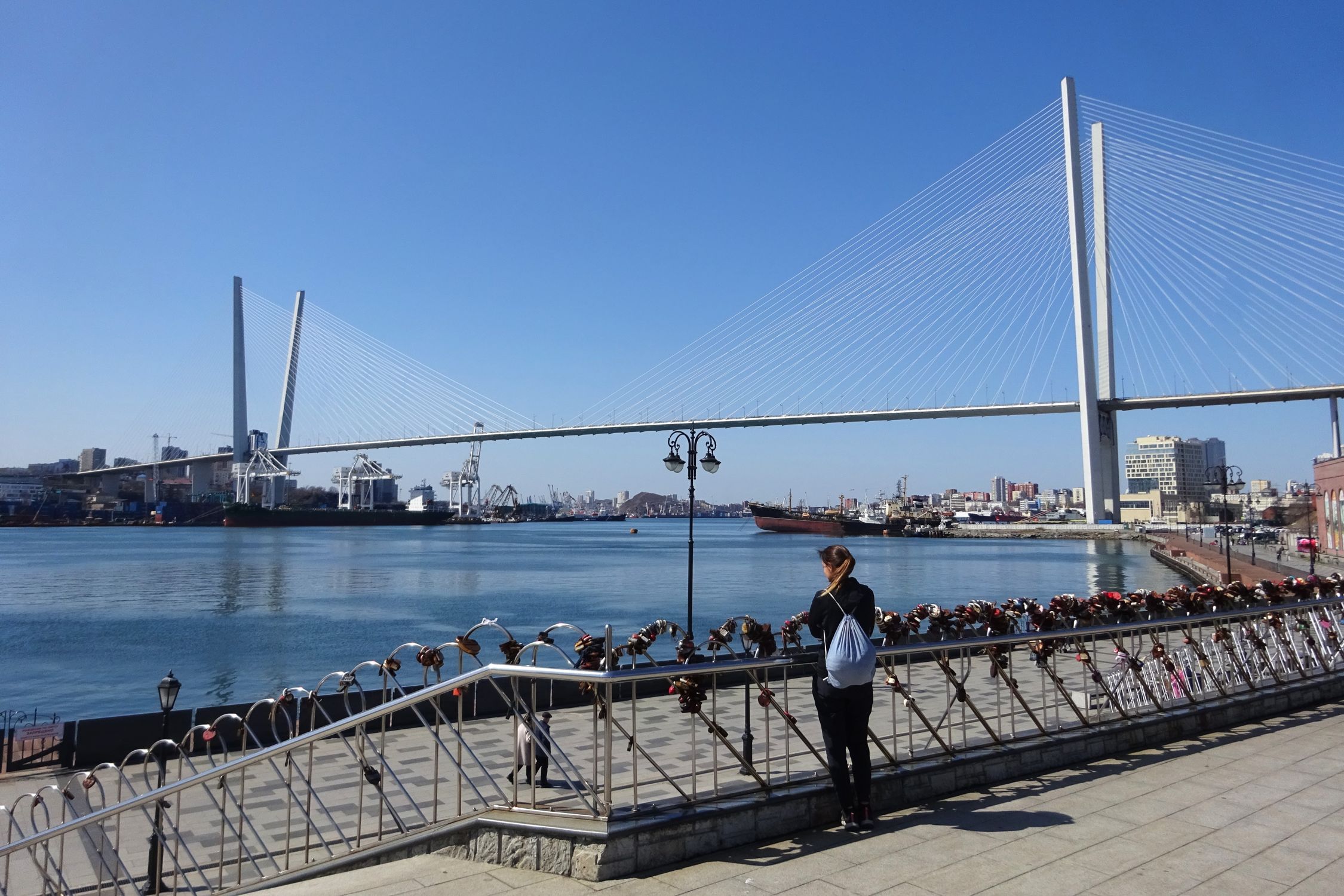
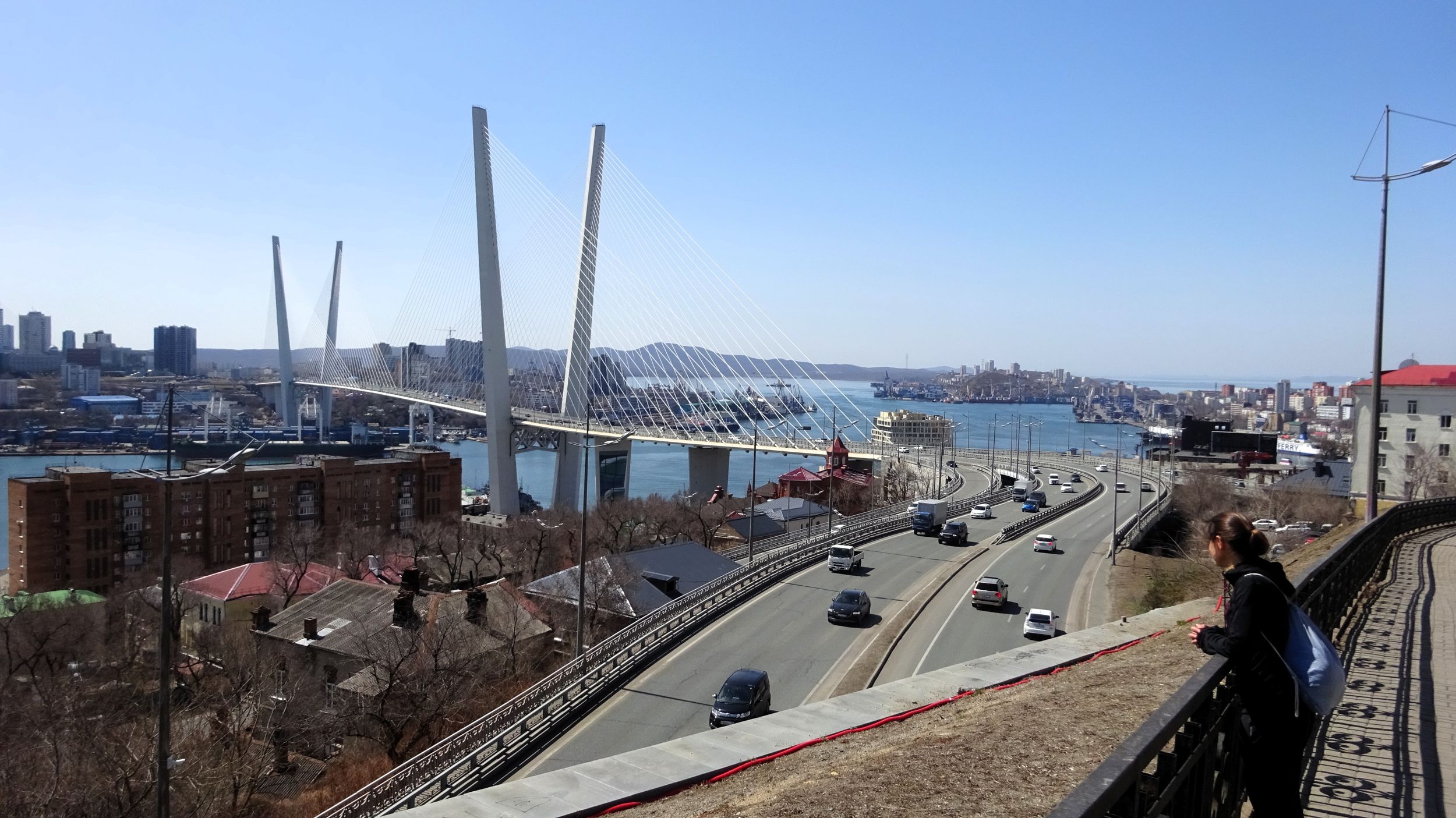
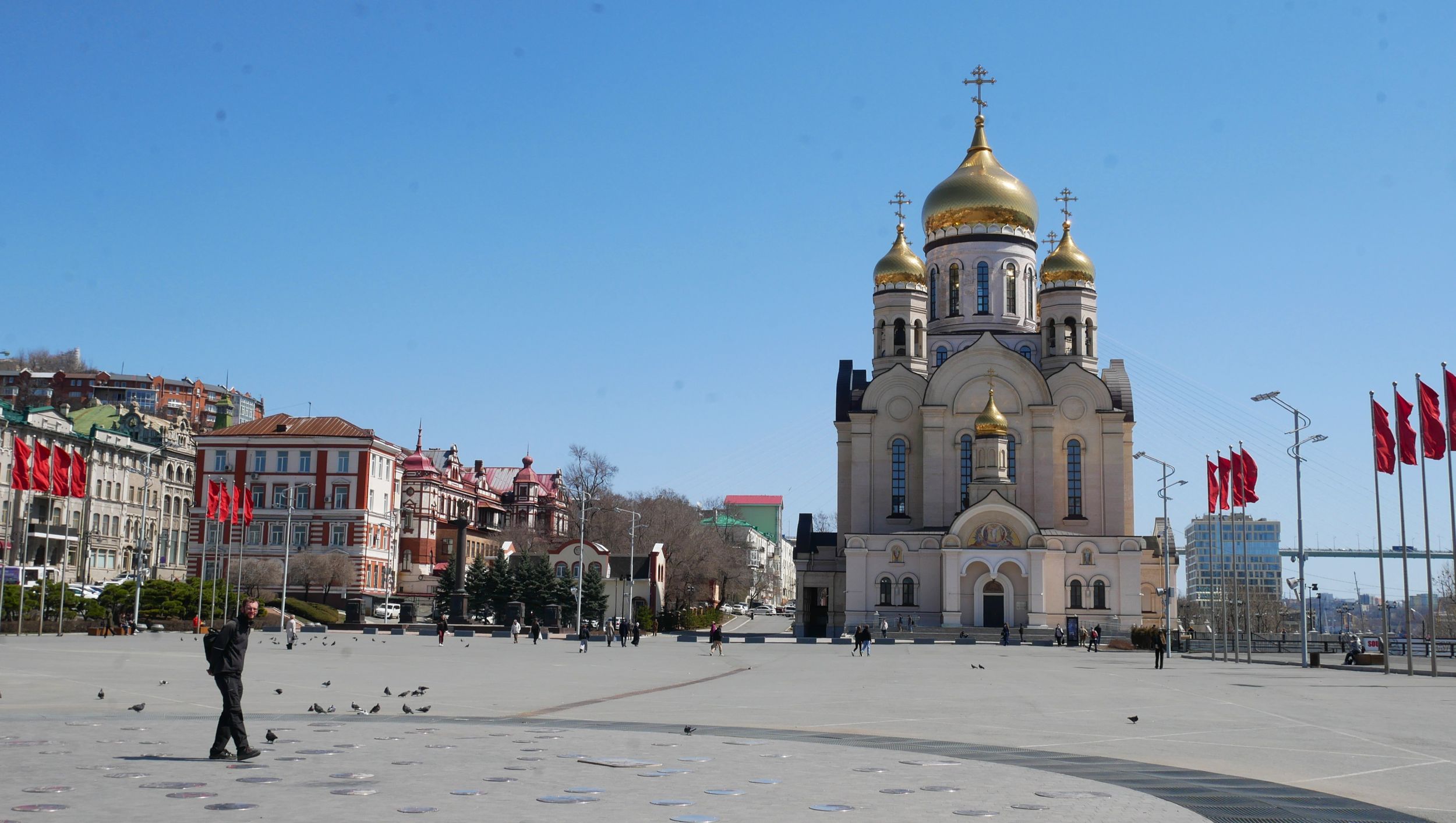
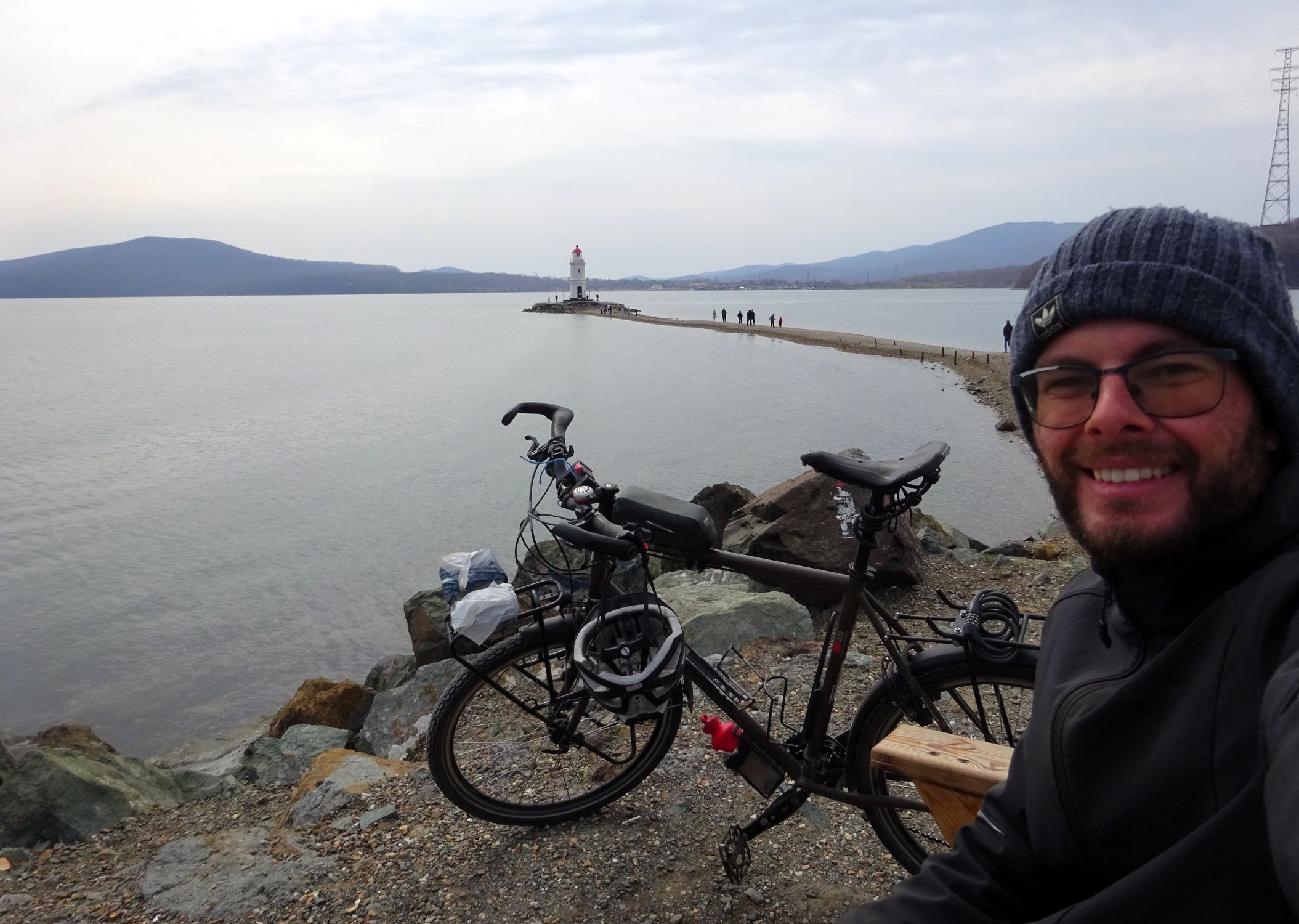
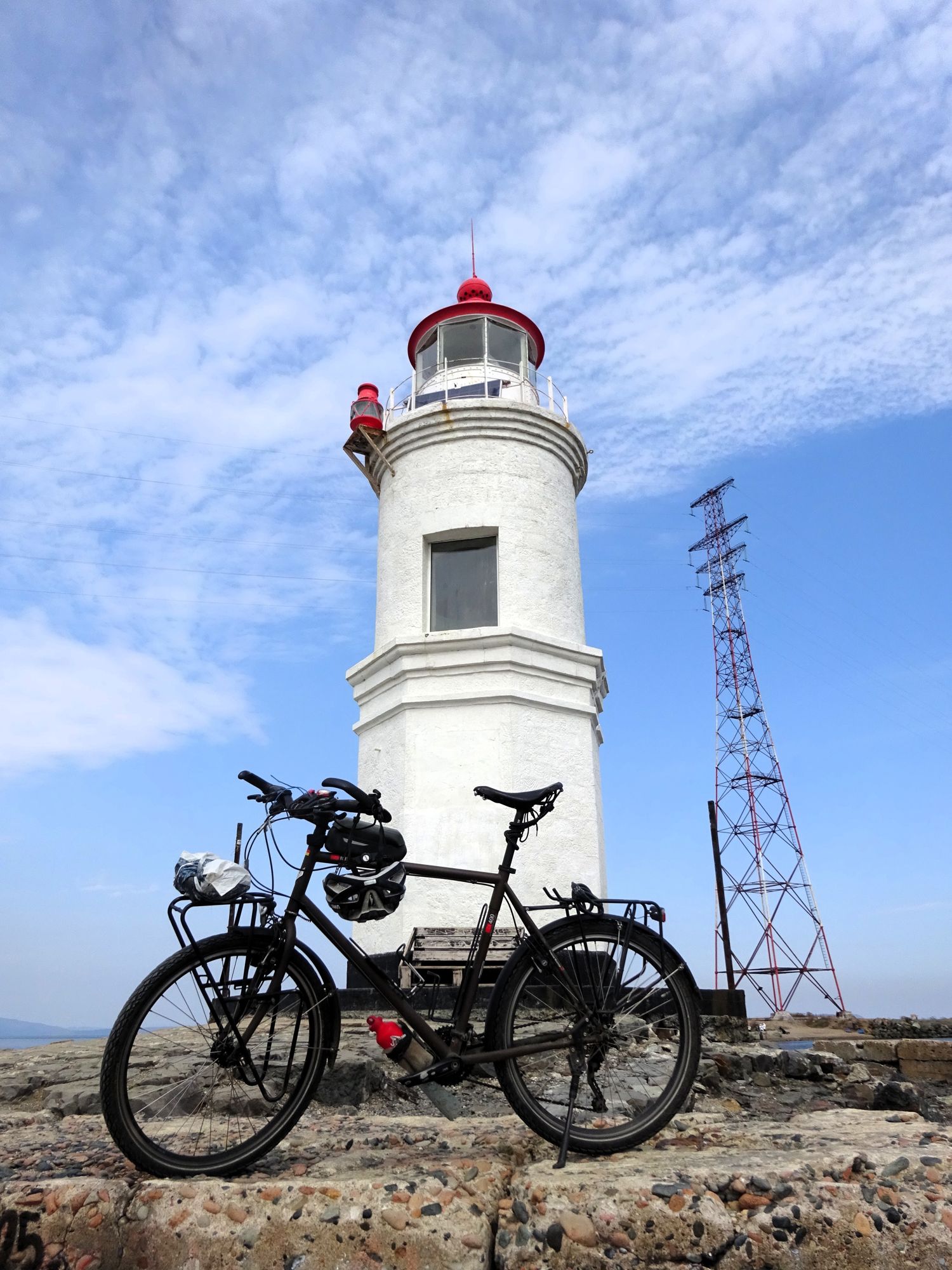
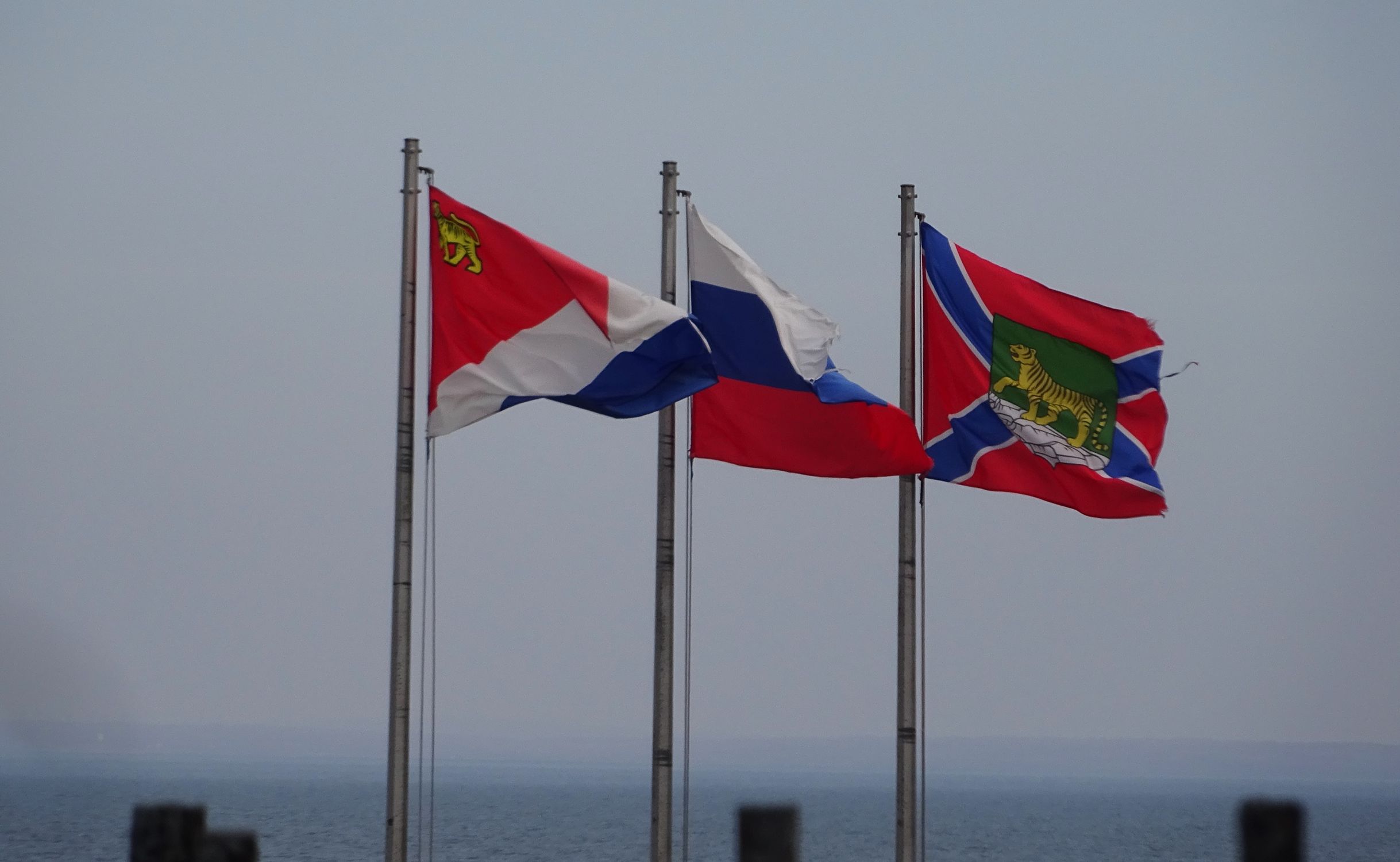
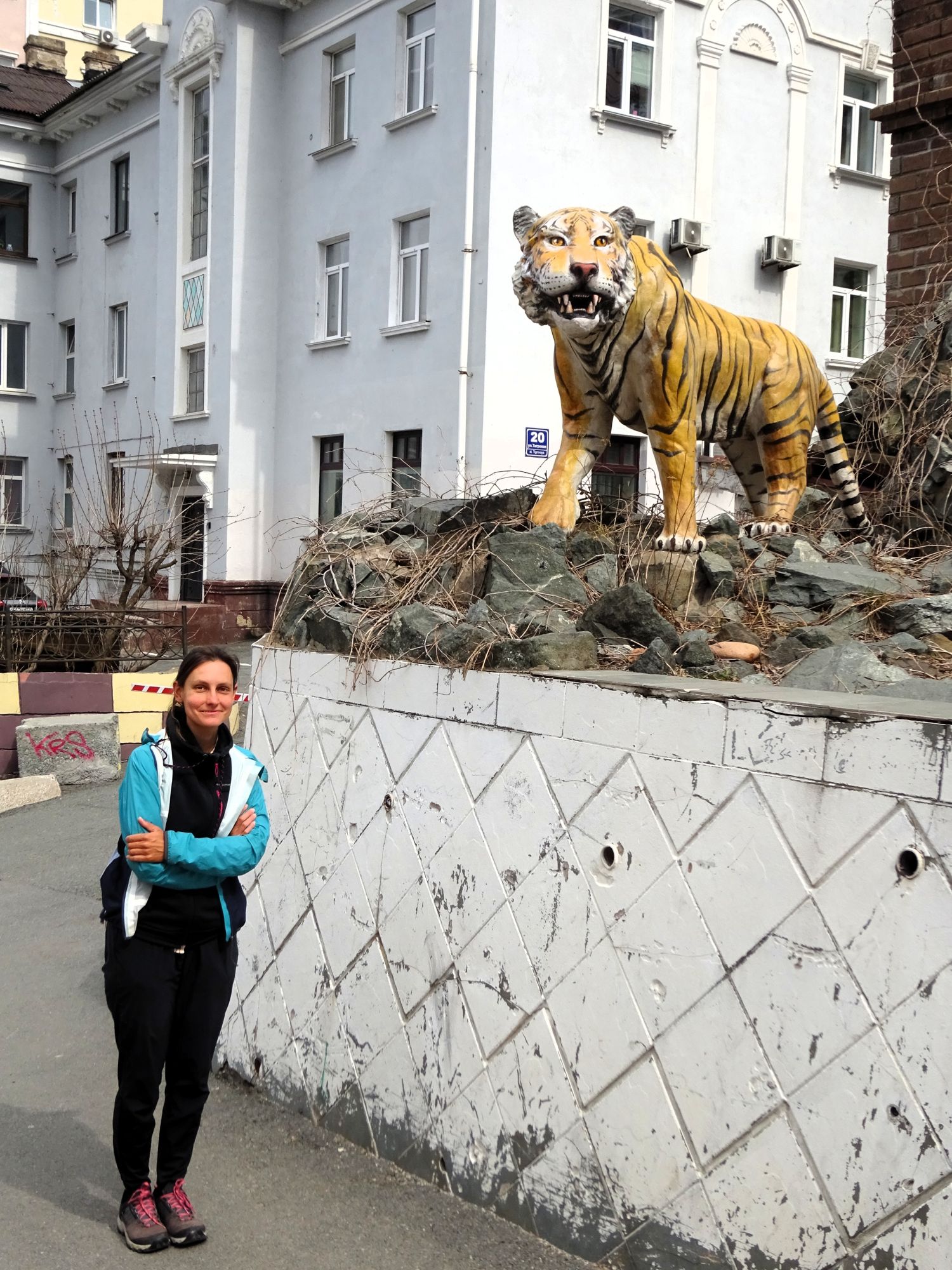
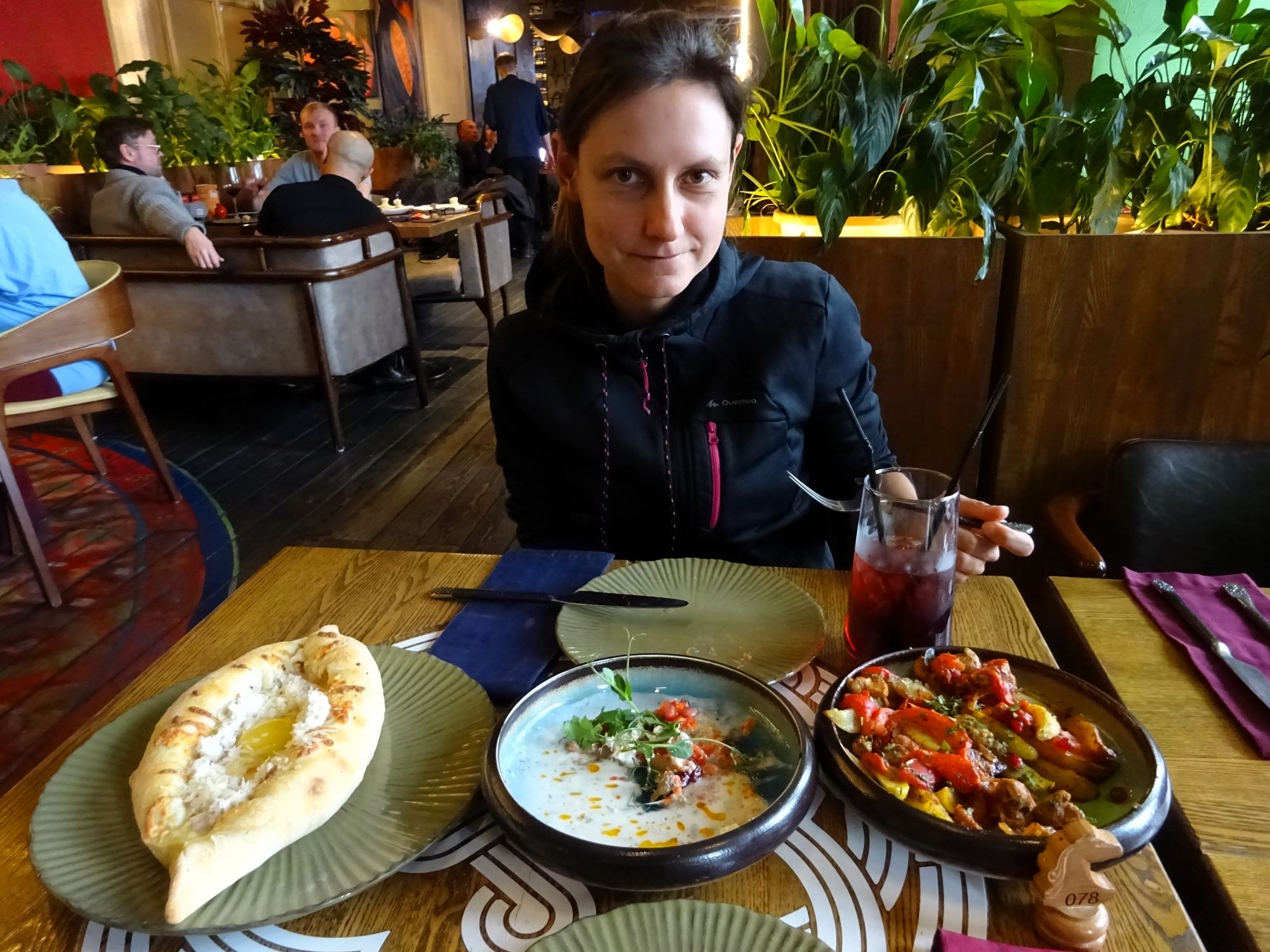
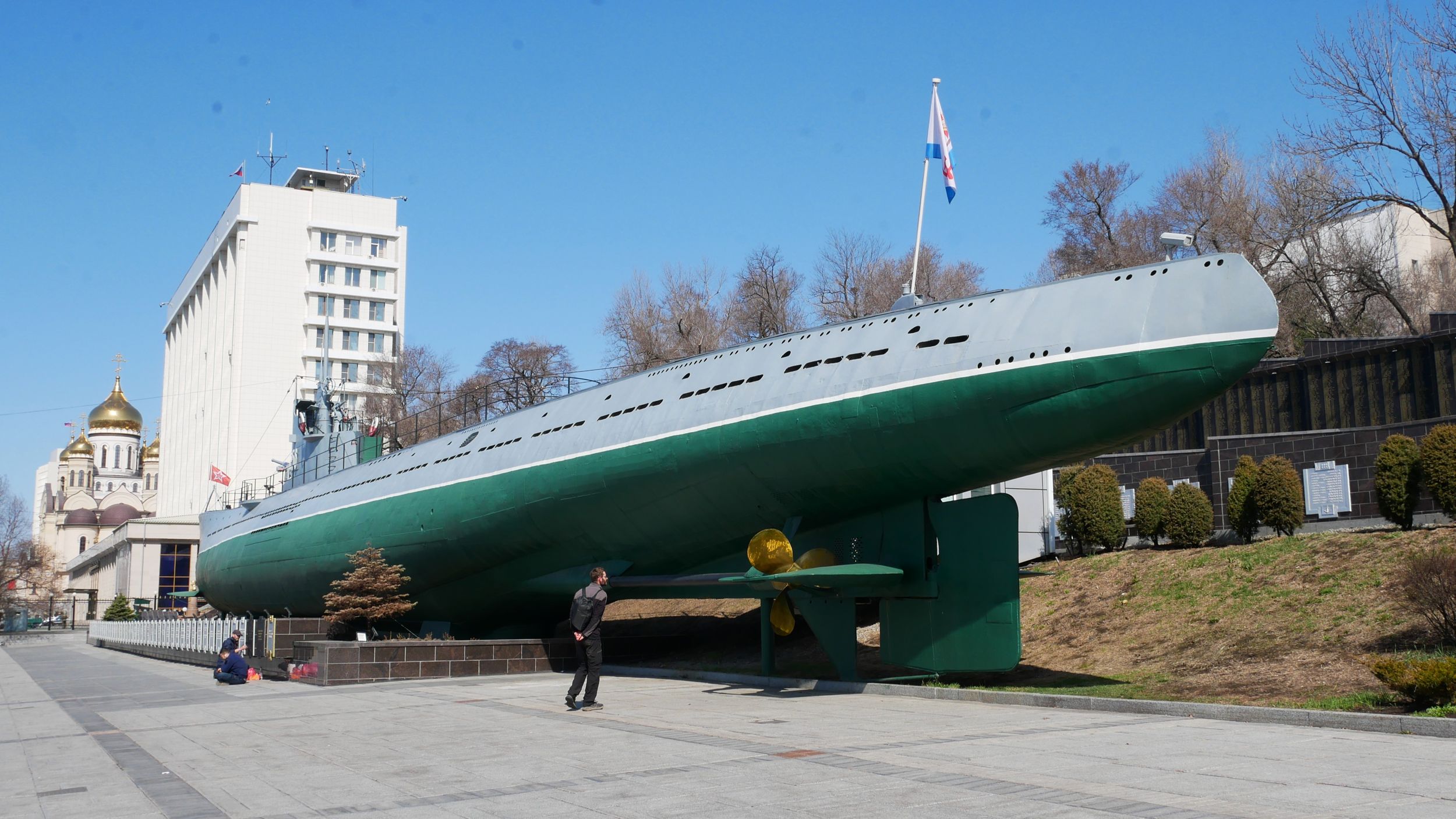
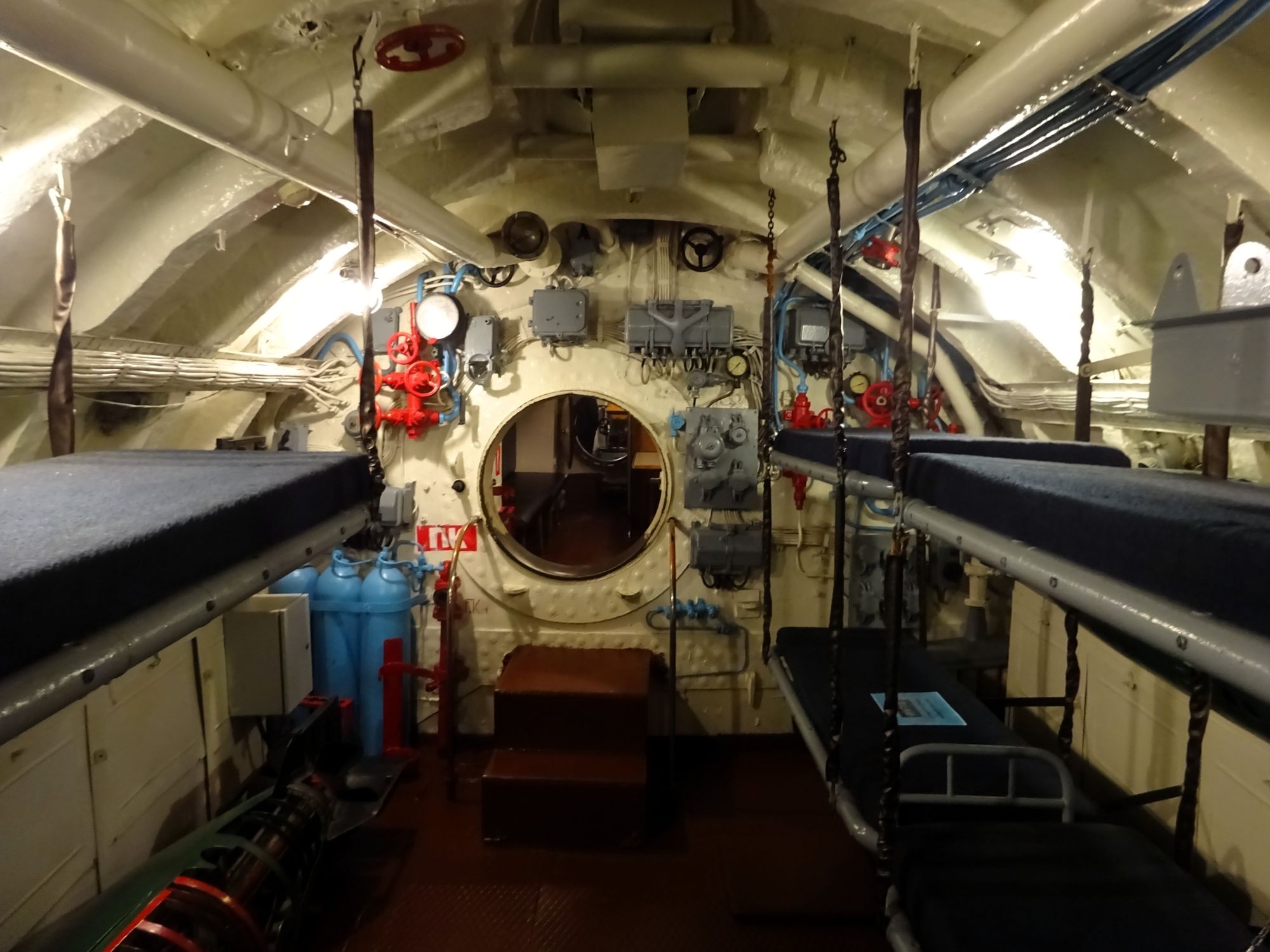
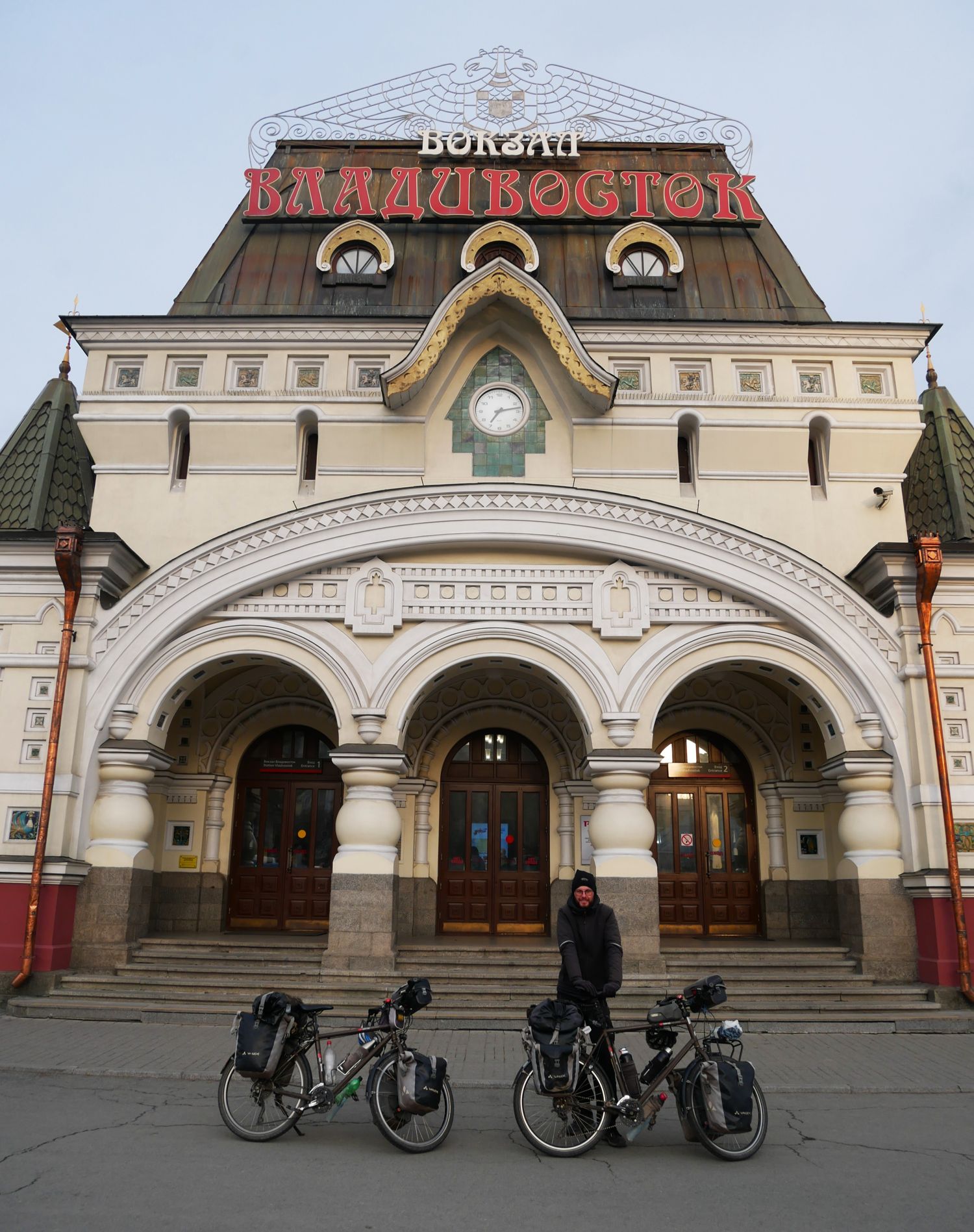
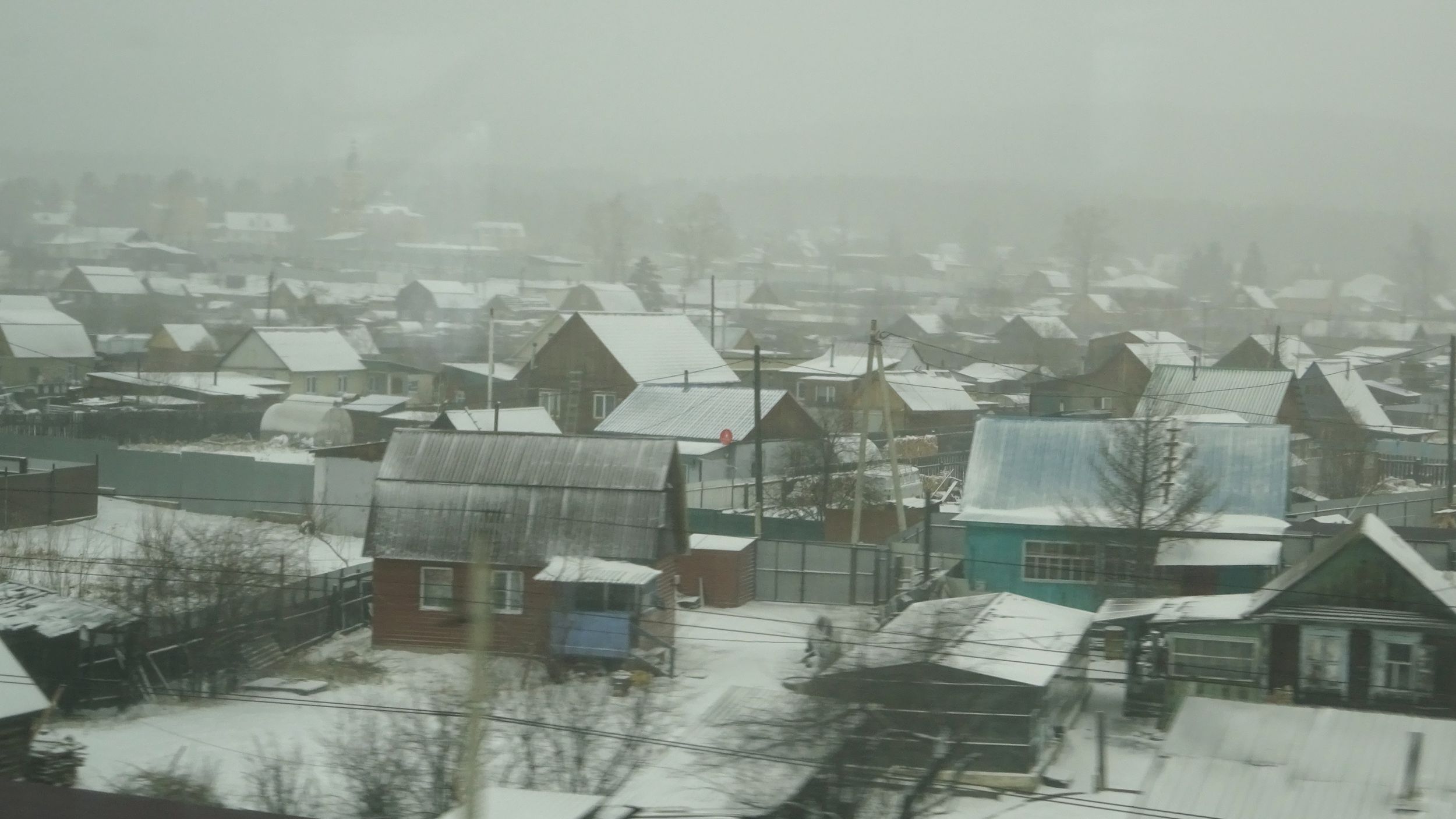
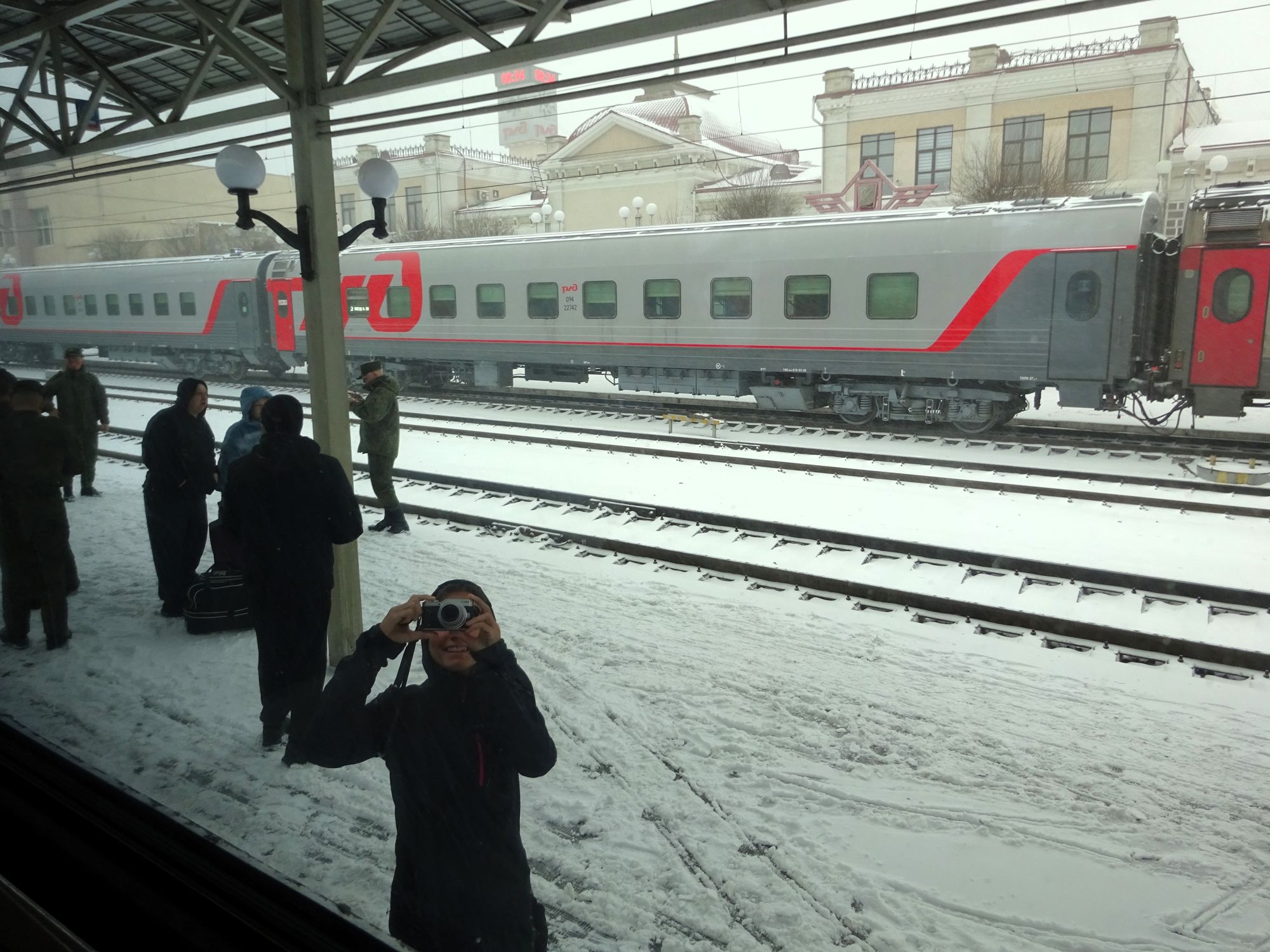
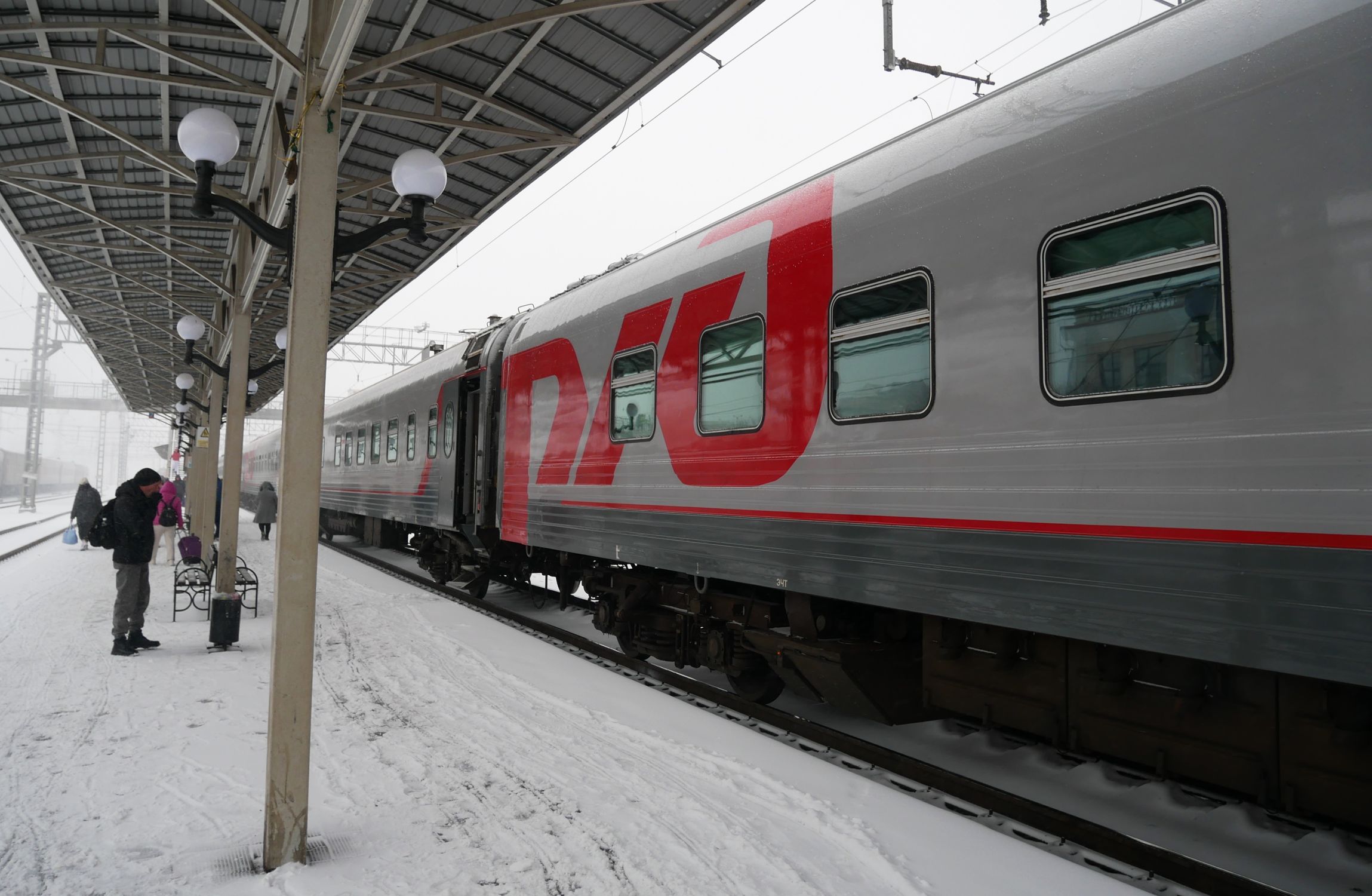
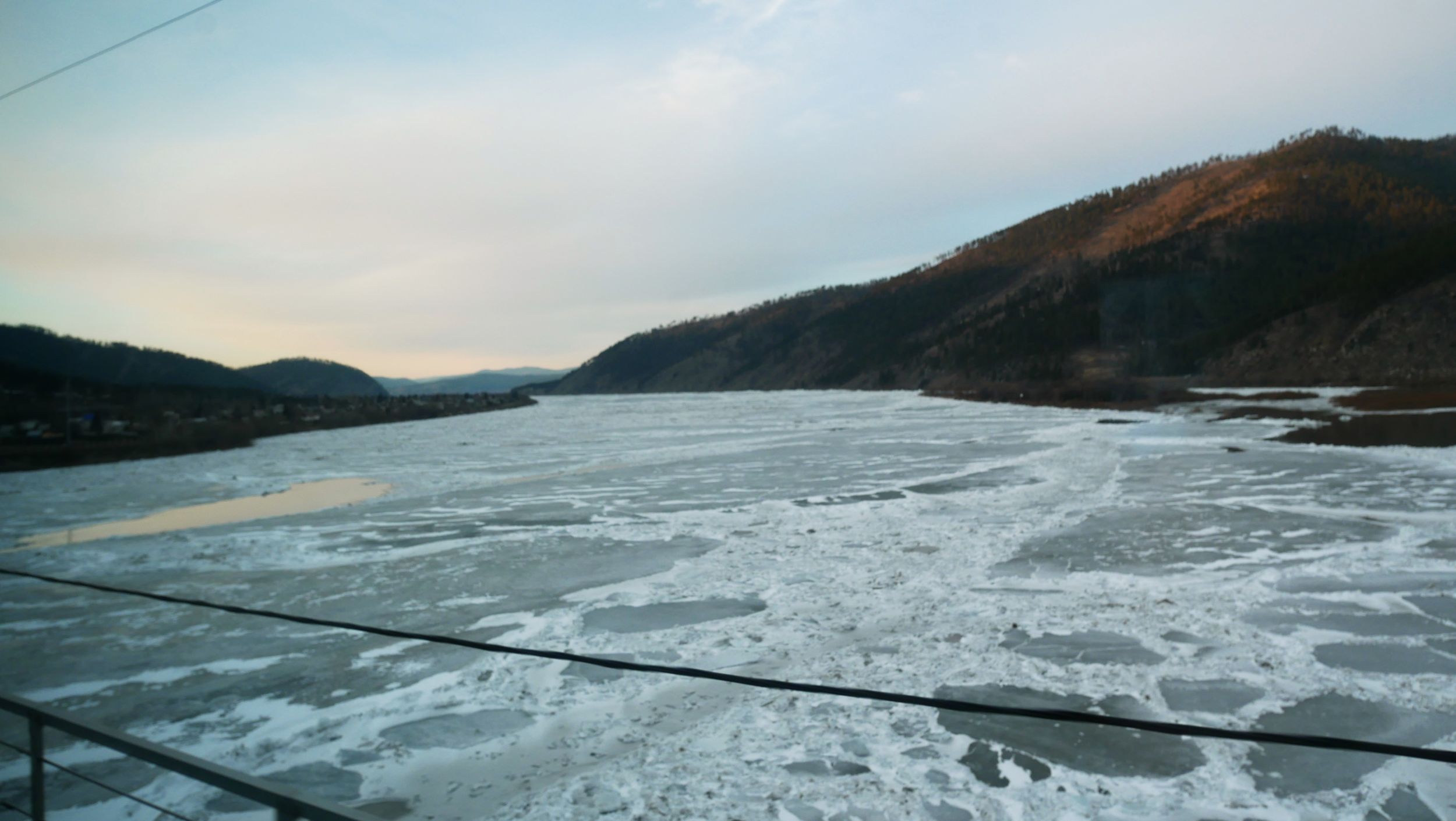
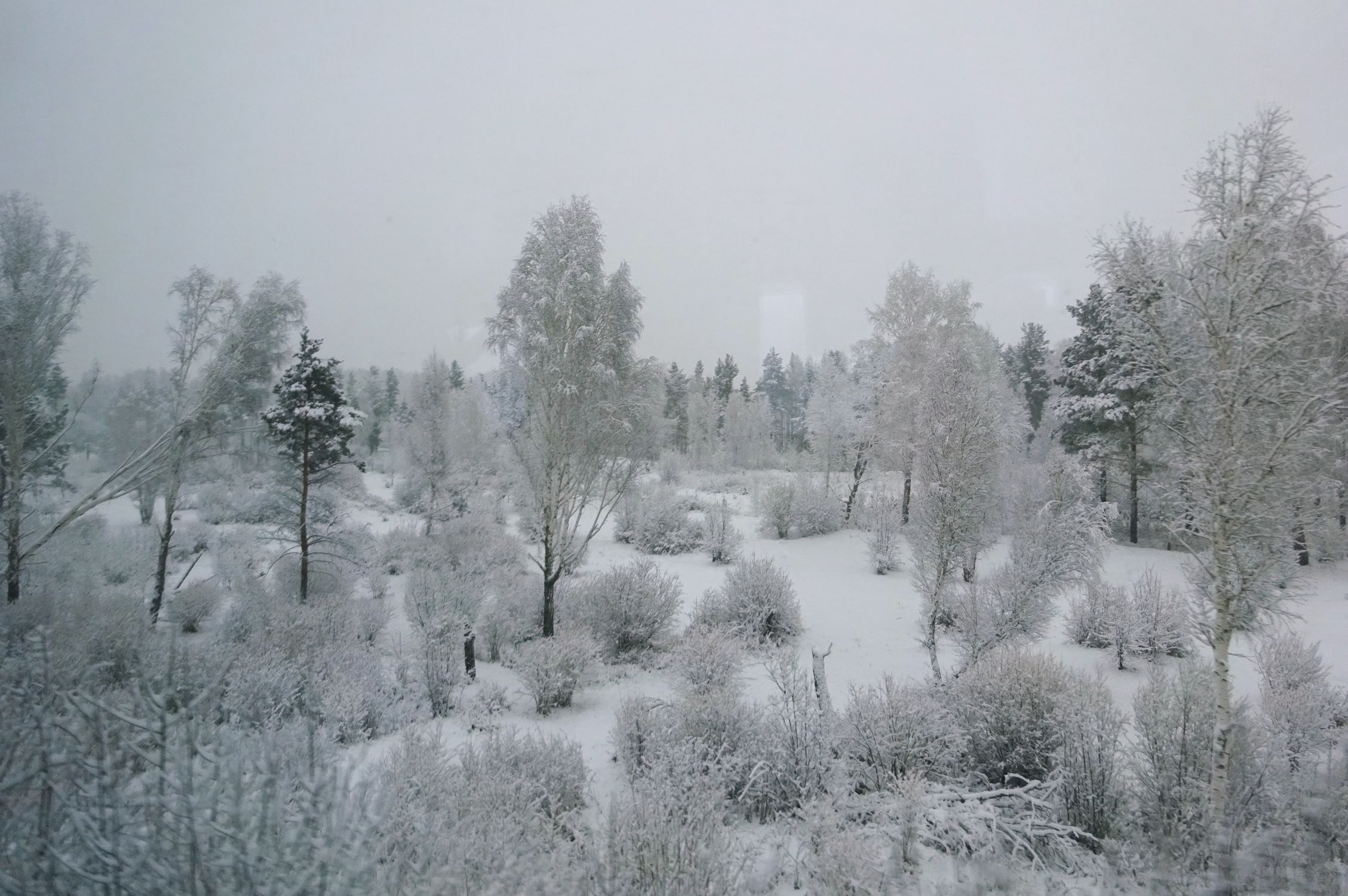
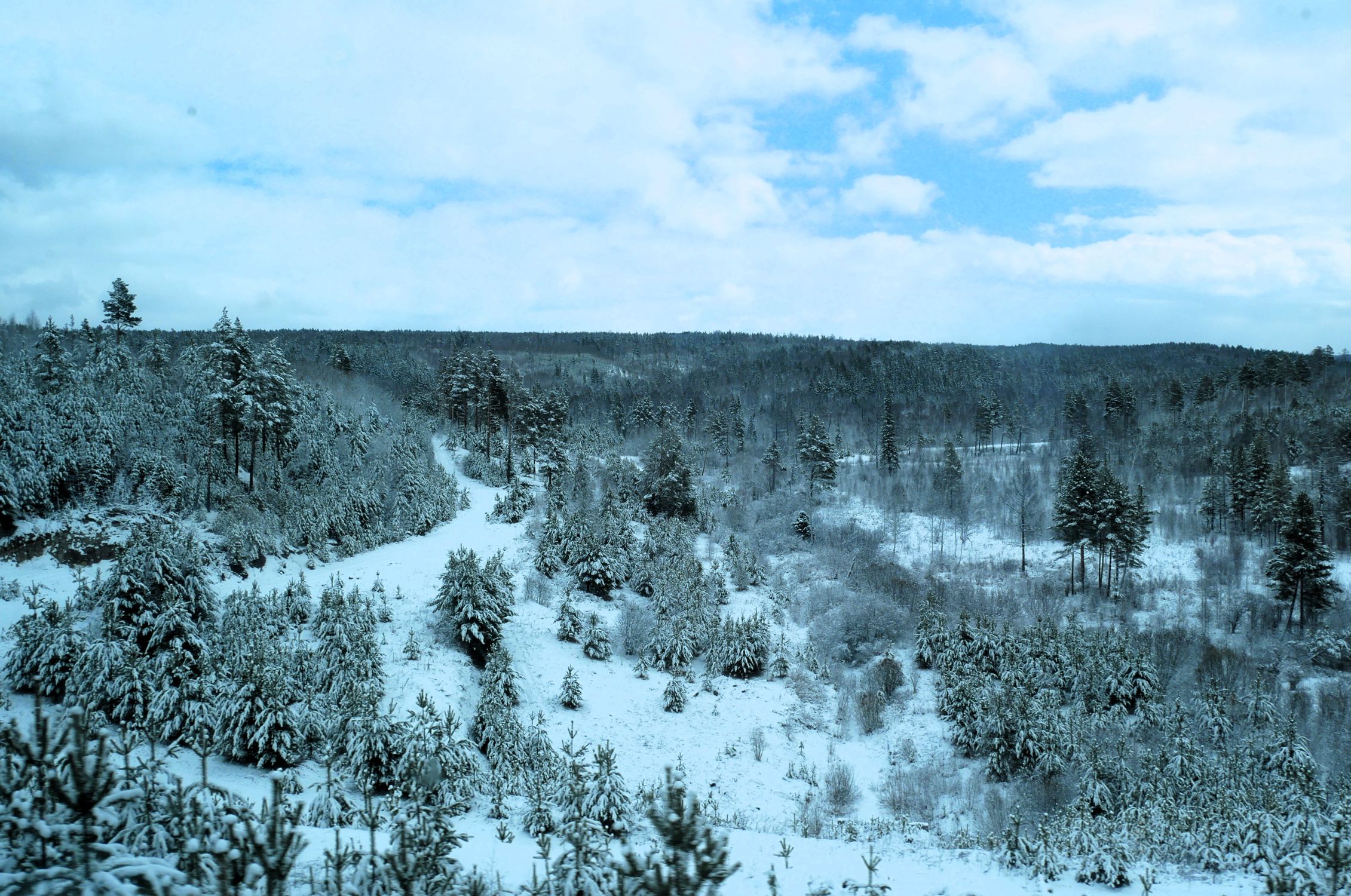
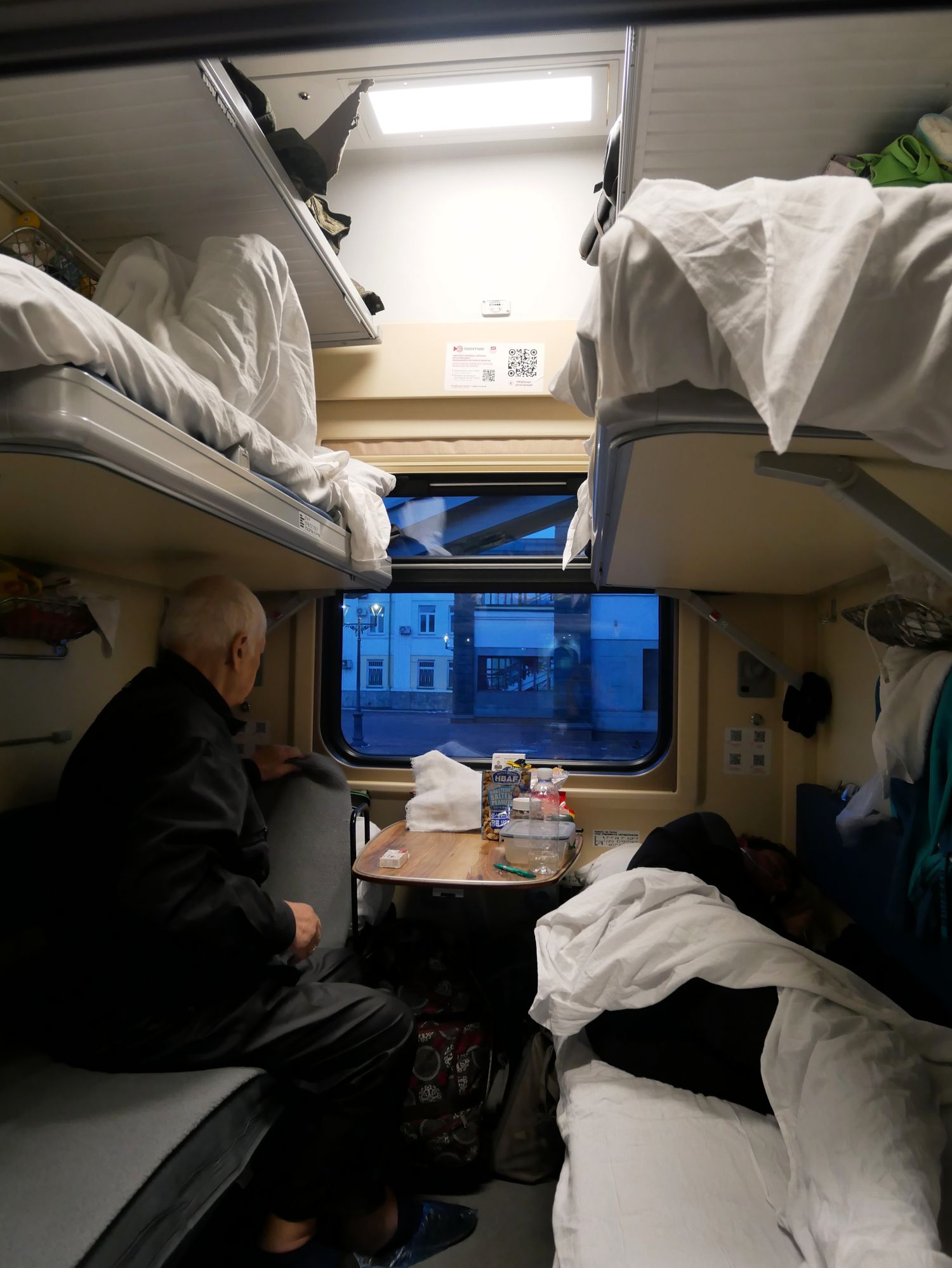
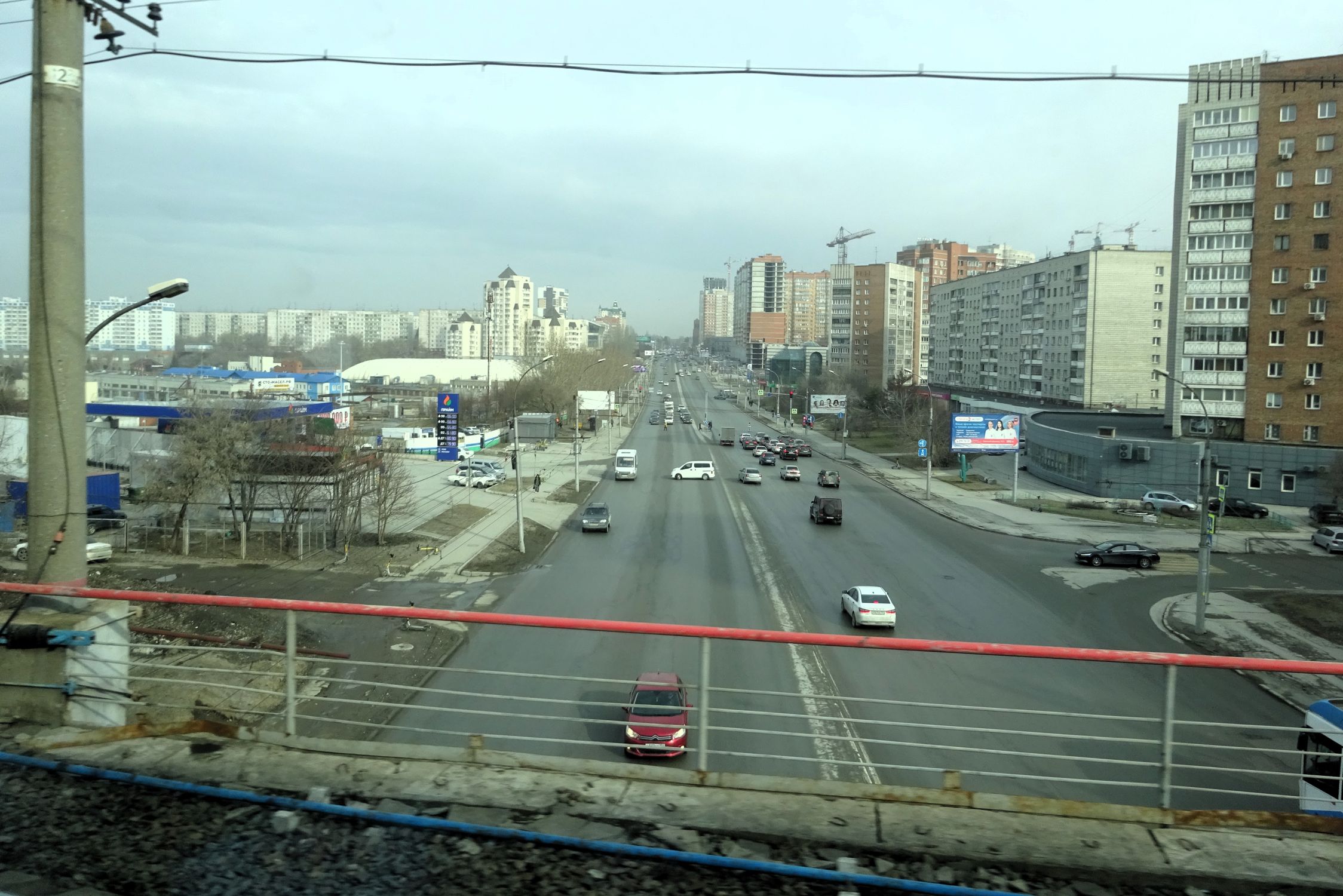
This report’s podcast is only available in german:  Rückkehr nach Europa Teil I: Die Transsibirische Eisenbahn.
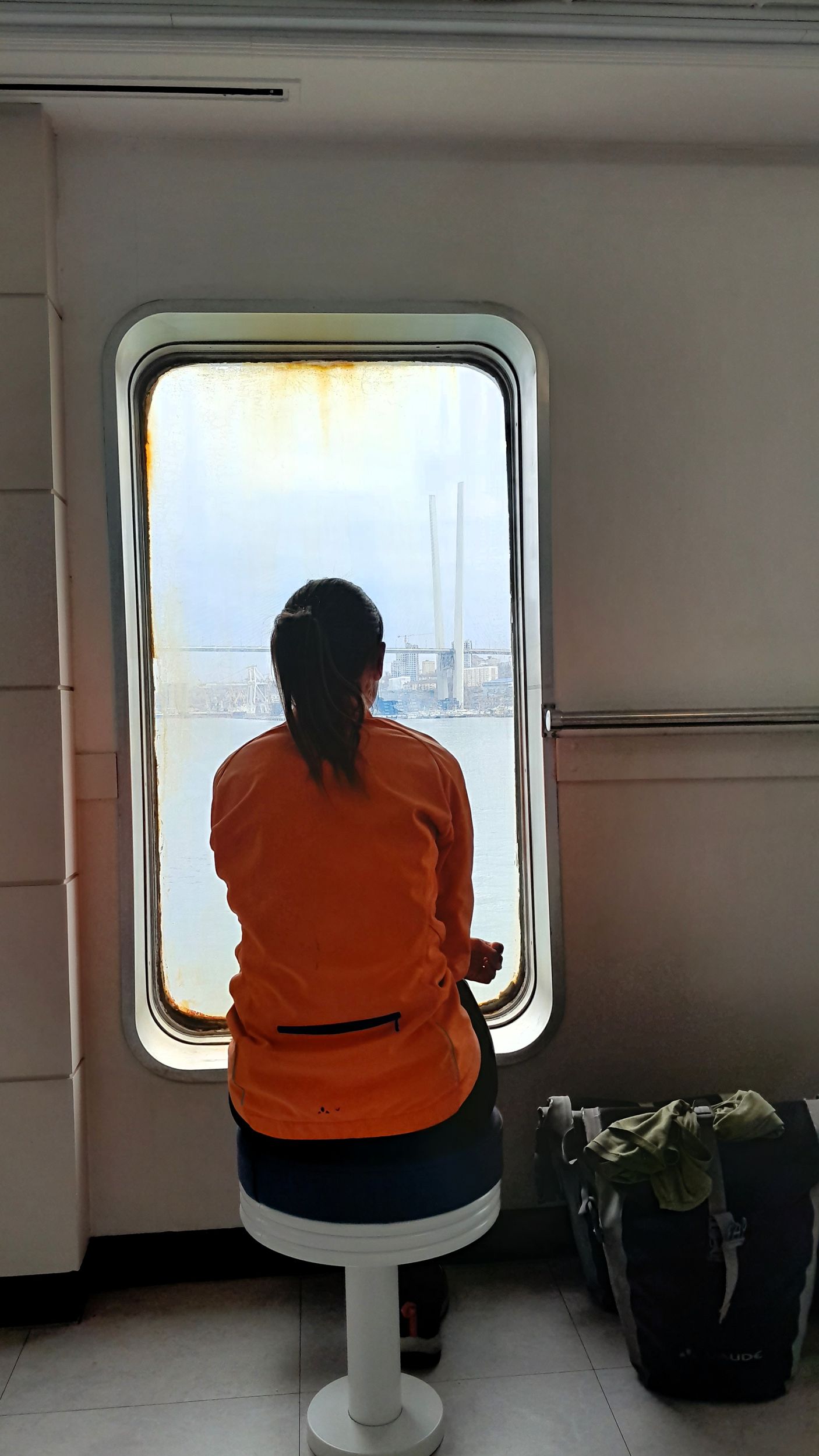
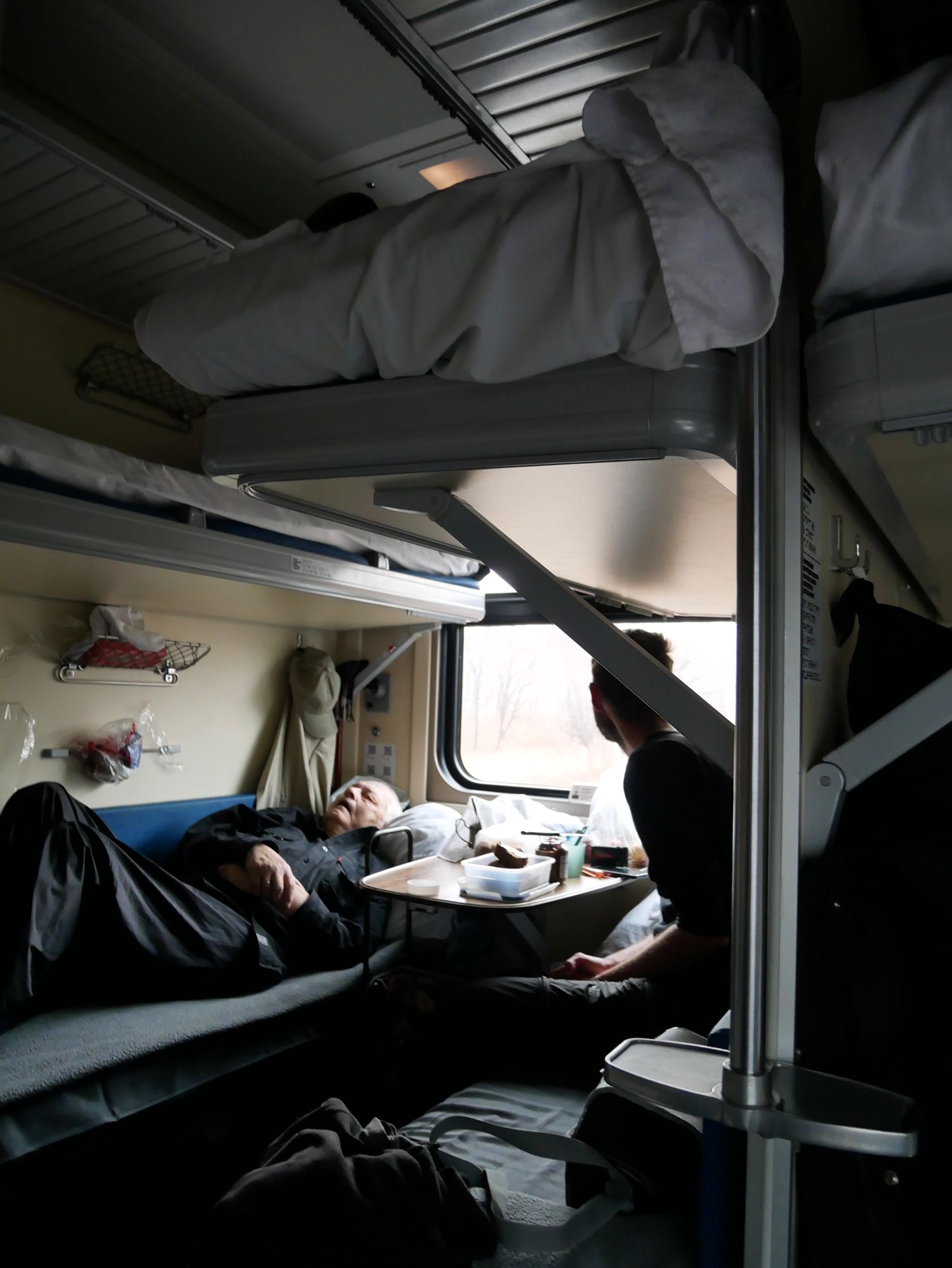
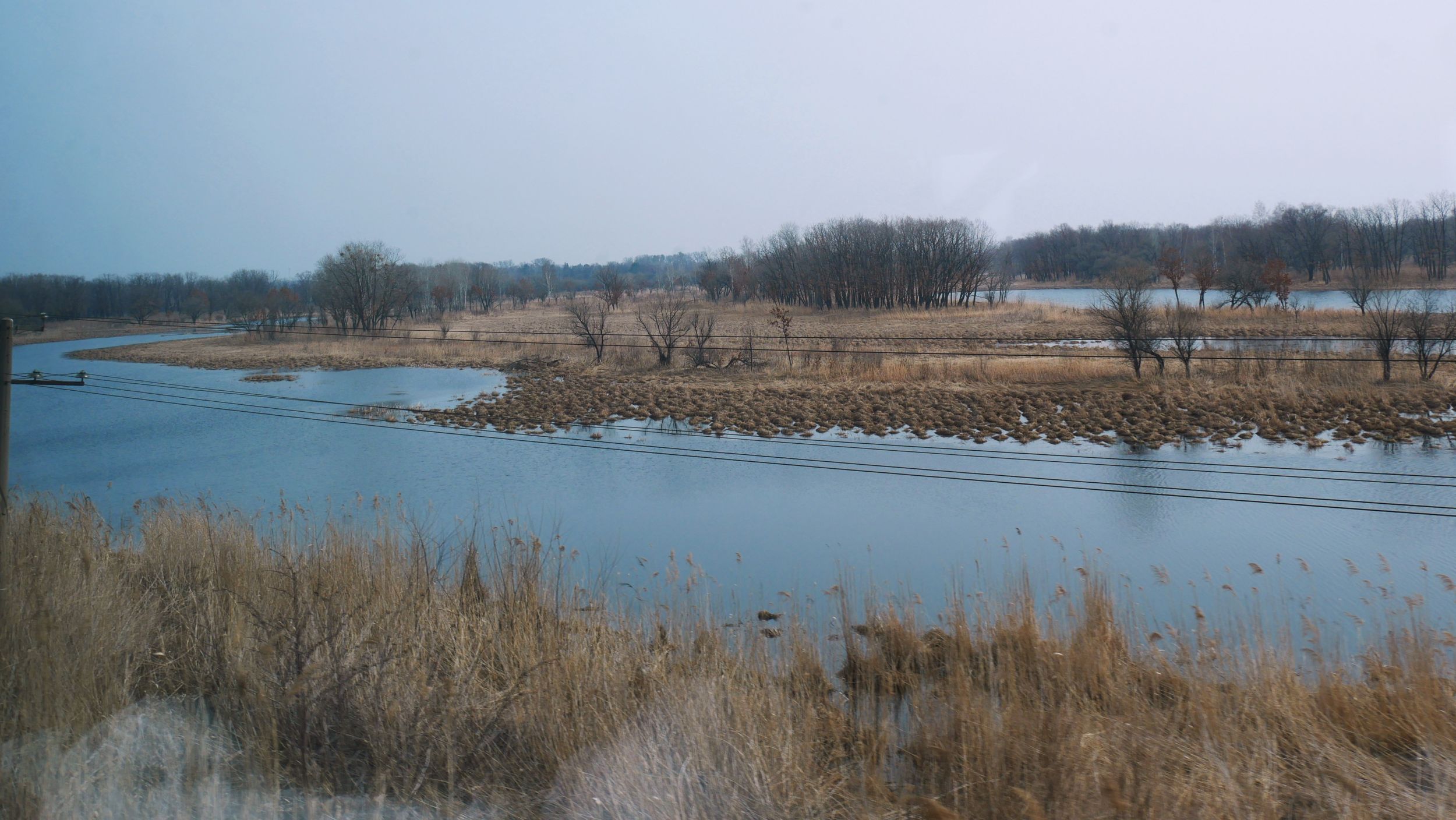
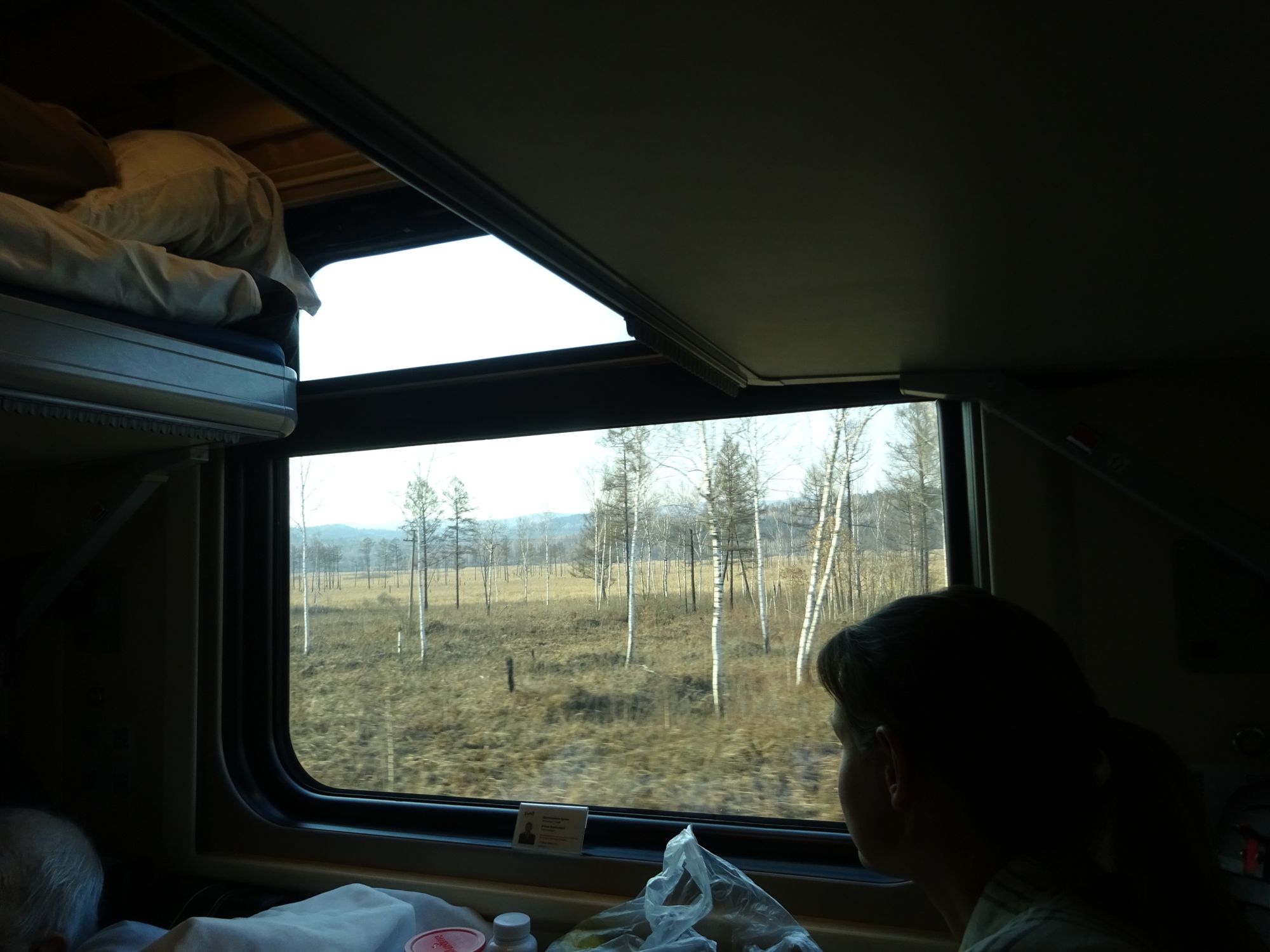
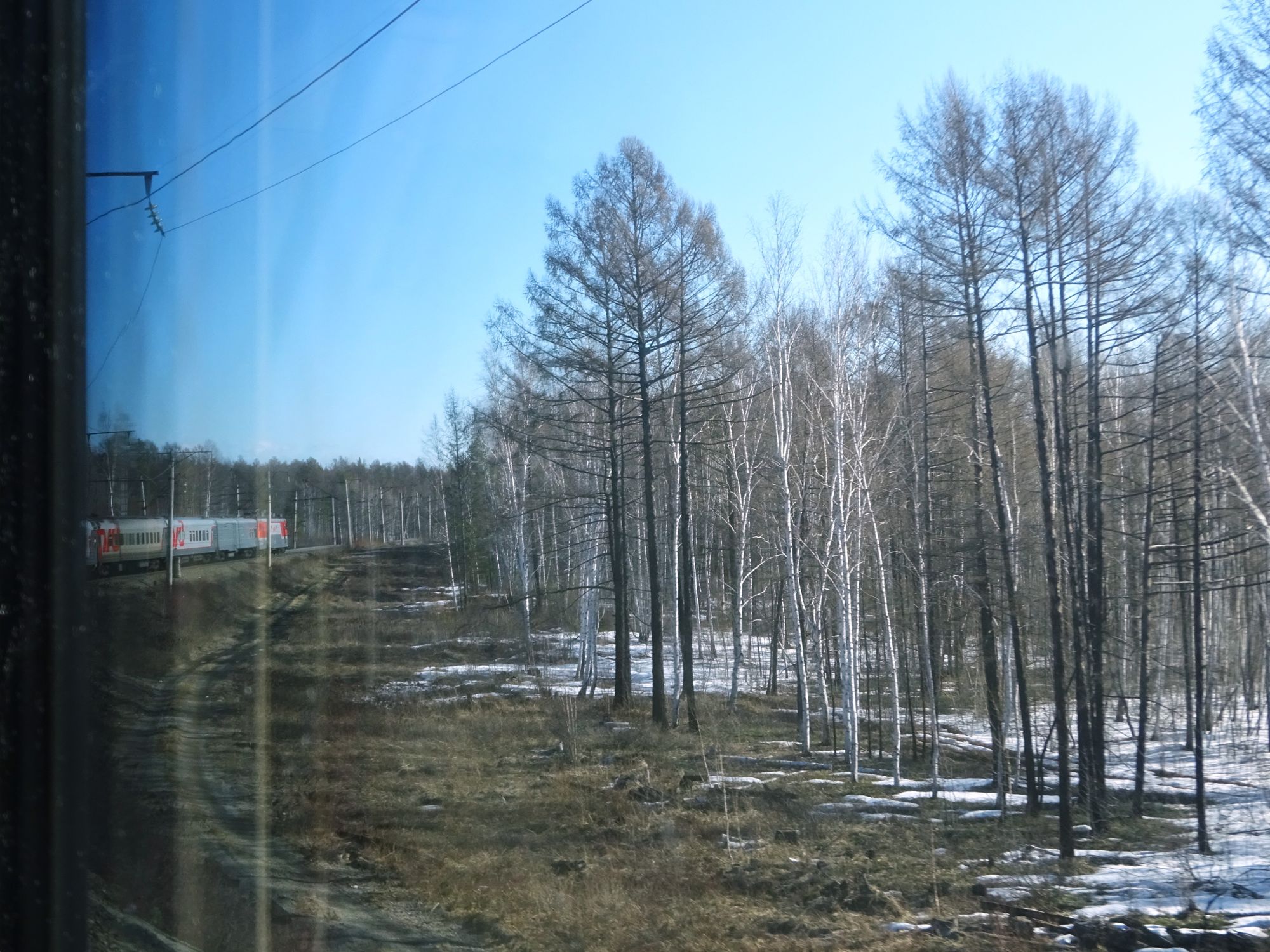
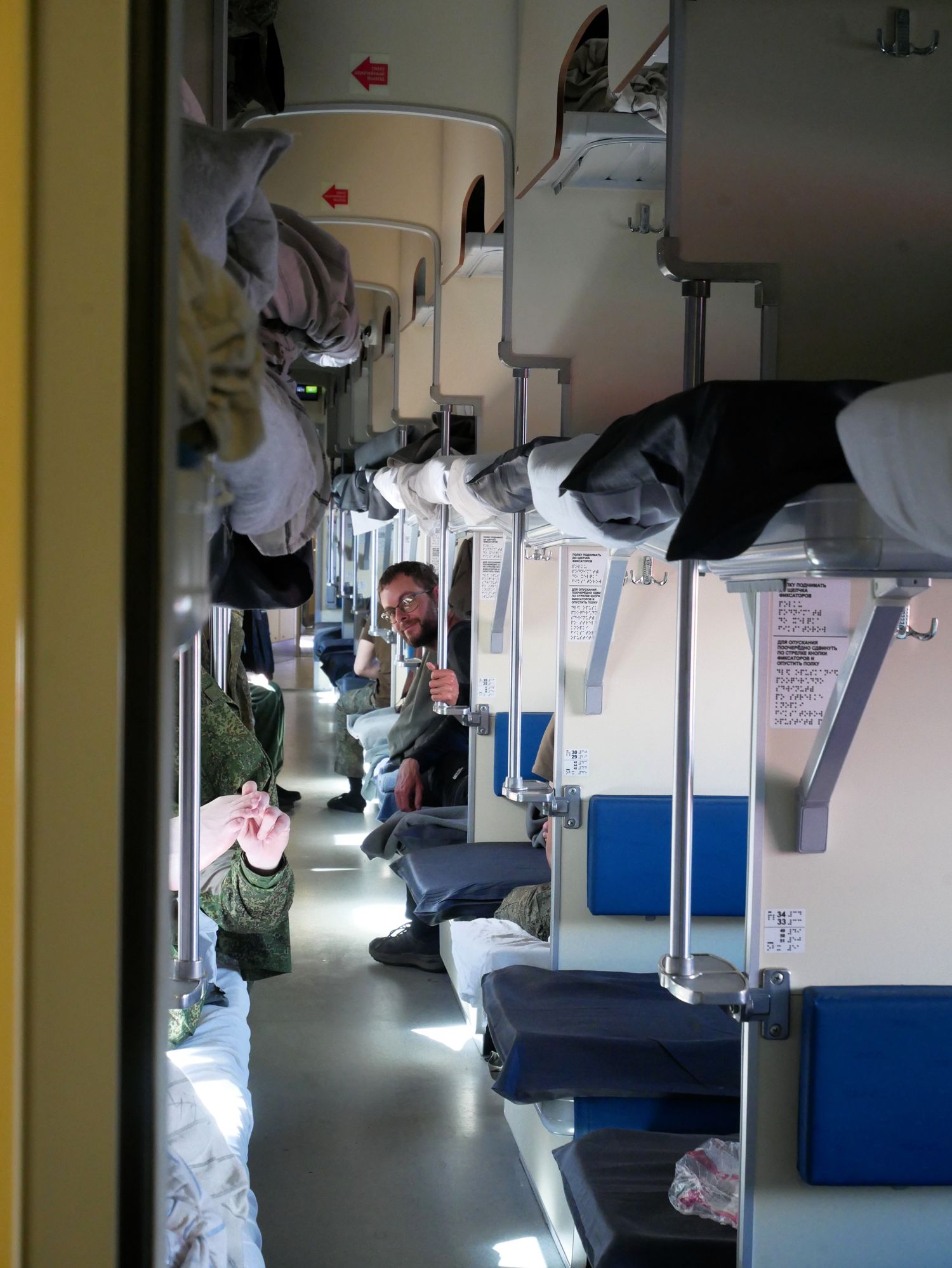
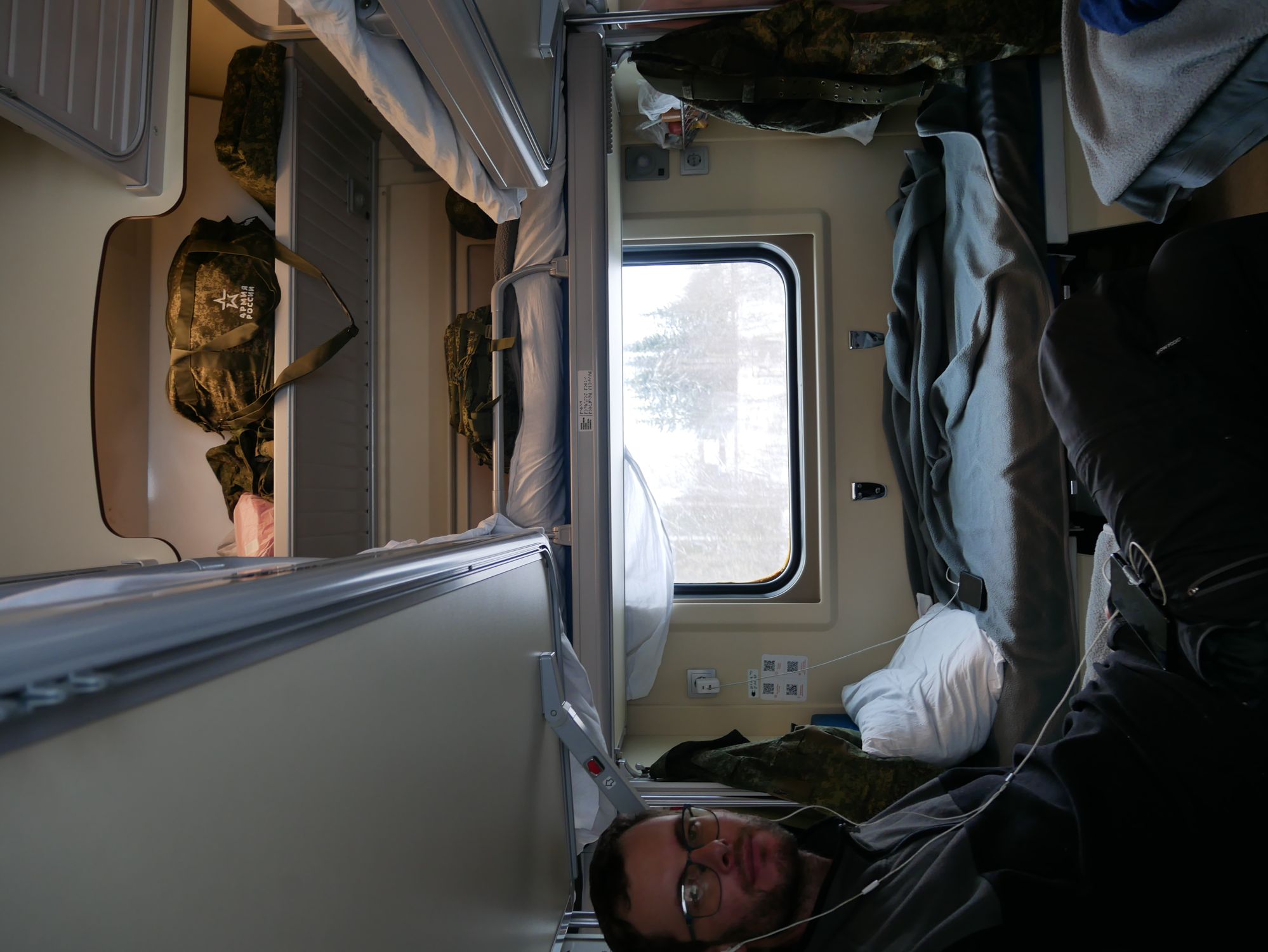
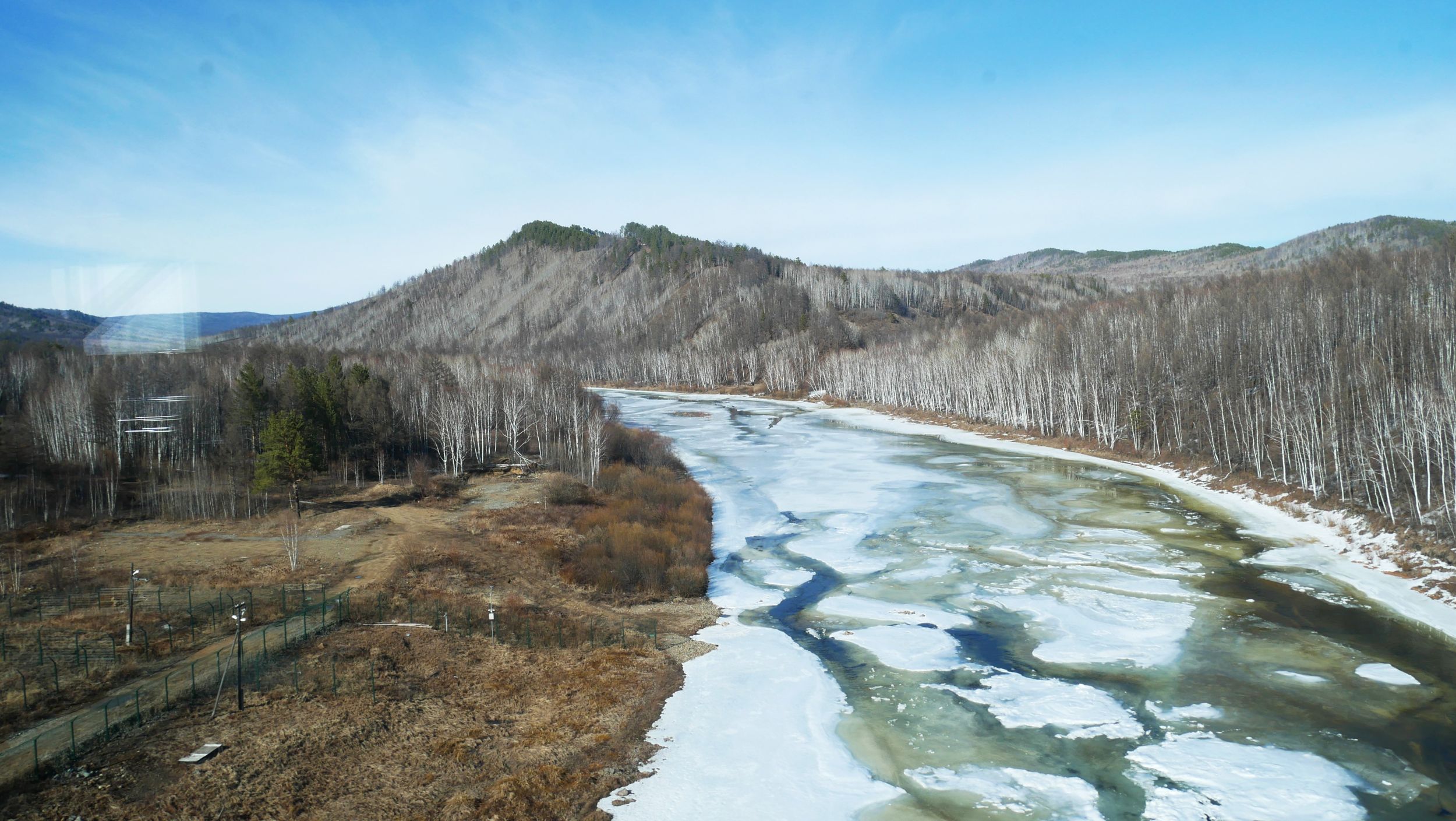
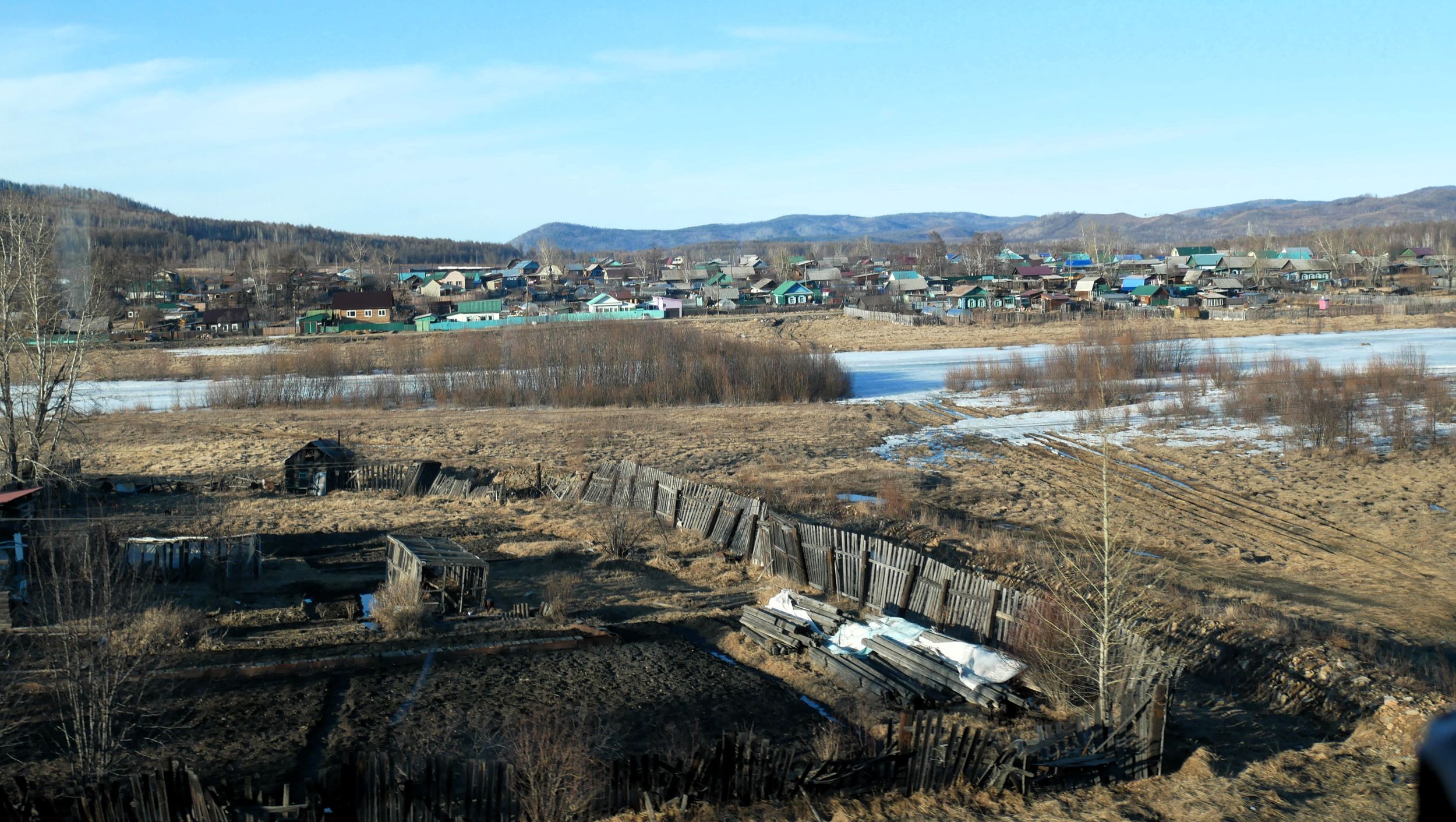
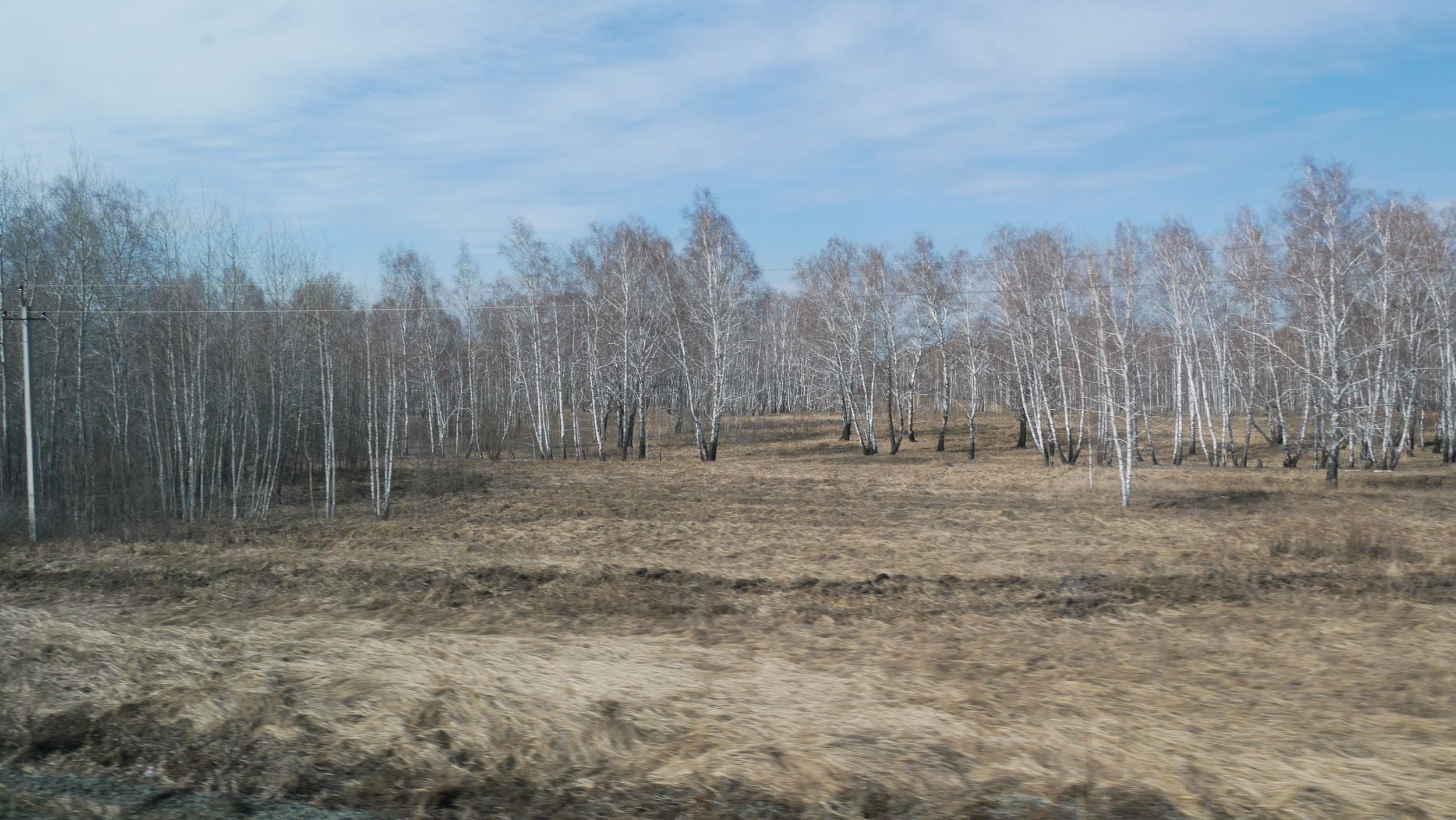
With our 100th podcast episode, we’re back in the EU! We’ve covered more than 10,800 km over the past three weeks to get from South Korea to Estonia. Admittedly, we didn’t cycle the whole way, but we didn’t fly either. Instead, we took advantage of the world’s longest railway line: the Trans-Siberian Railway! And to celebrate our 100th episode, and because there’s so much to share, we’re making it a double episode! In this episode, we start by taking the ferry from Korea to Vladivostok. Interrogations at the border and uncertainty about whether we’ll be able to get the bikes onto the train make for a rather tense first few days. Only once we and the bikes are stowed away on the train can we breathe a sigh of relief; though this newfound sense of ease is soon dampened by the arrival of a group of young Russian soldiers with whom we share the car for the next seven days, passing frozen rivers, villages of wooden houses, and endless birch forests all the way to Moscow. This episode is intended to serve as both a travelogue and a travel guide; as usual, we recount our experiences, but we also go into detail about the organizational aspects of this return trip.
If you like to help us stay highly motivated to produce reports about our trip, we would greatly appreciate your support via paypal.me/zweiradlertouren or send us your criticism, praise, and other suggestions or hints to hi@zweiradlertouren.de. For more information on how you can support us, please visit our FAQ page.
We are going to get on our bicycles once again and further collect kilometers :-)
See you again soon!
How-To Report About Our Return to the EU/Estonia From South Korea by Trans-Siberian Railway
Scope: In April 2026, we took the ferry from South Korea to Vladivostok, then the train to Moscow and St. Petersburg. Finally, we cycled from St. Petersburg to Narva (and eventually all the way back home to Germany).
 You can find our overall route here, incl. all our accomodations.
This article explains the practical details about our return. For a more elaborate description including all our experiences and stories see our podcast episode here (in German language only). The photo gallery above shows some impressions of the part of the journey between South Korea and Moscow, another photo gallery with impressions from Moscow, St. Petersburg and until Narva is included in the following report: Back to Europe Part II: Moscow and St. Petersburg.
1. The Russian E-Visa
You can apply for the Russian e-visa at evisa.kdmid.ru. It is valid for a stay of up to 30 days within the 120 days after issuance. Watch out that the Russian e-visa can only be used to enter and exit Russia at a limited list of certain border crossings. The sea port of Vladivostok and the land border to Estonia at Narva is on that list.
Filling out the application form is pretty straightforward. Just be aware of two things:
You can pay the fee of about 50 € with a western credit card.
They need four days to process the visa application. Plan some more time in case they have some follow up questions. In our case, the e-visa was ready for download as a pdf four days after our application. Note that the corresponding notification e-mail reached us only about one week later – so if you didn’t get an e-mail, just log yourself in on their website after four days and see what’s there.
2. Ferry Sokcho–Vladivostok
Planning:
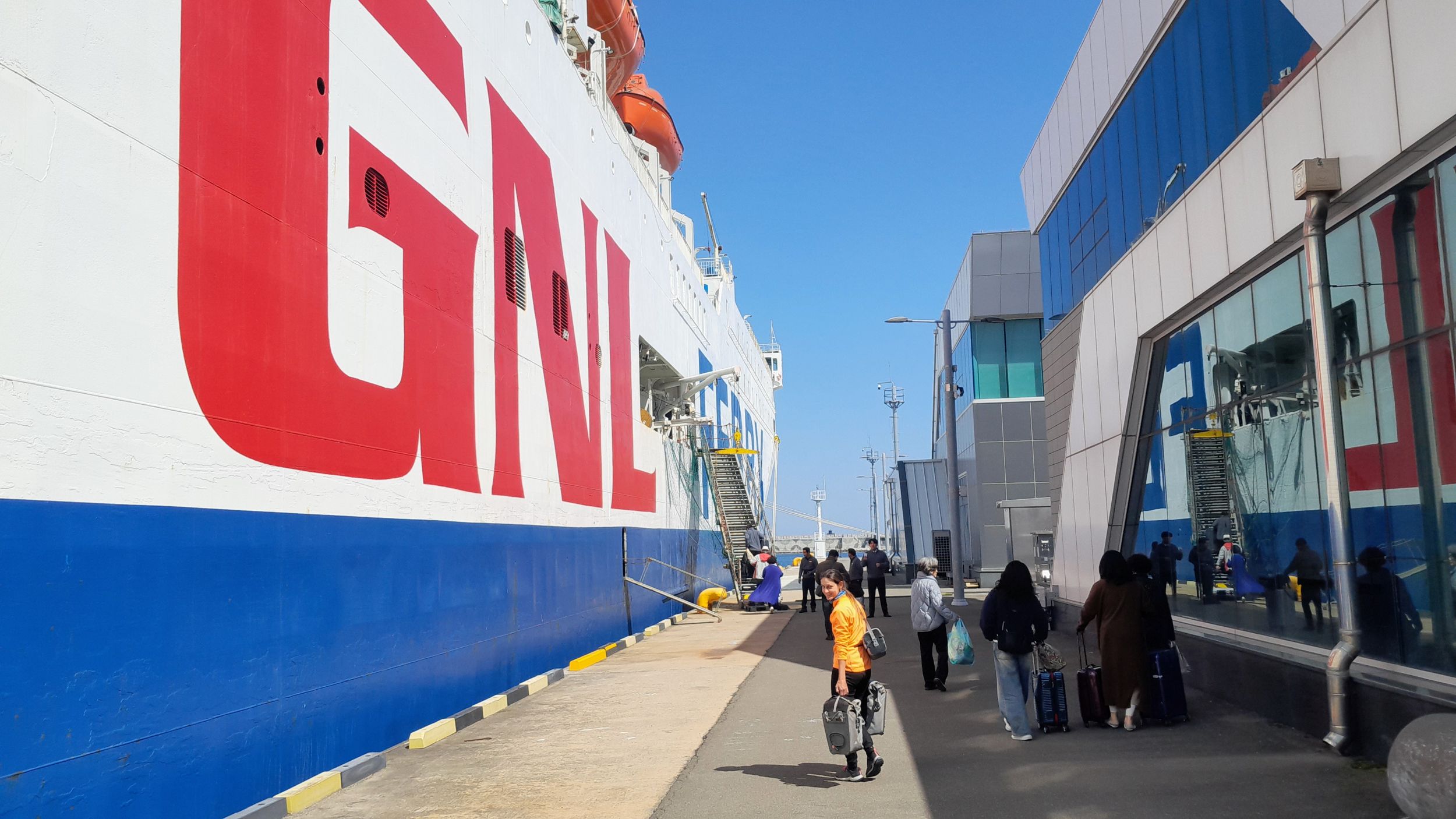
There were two ferry connections between South Korea and Vladivostok: The one operated by DuWon Shipping, departing in Donghae, and the one by GNL Ferry, departing in Sokcho. Both sail once per week. We decided for the latter because Sokcho suited us more as a depature city and also it was slightly cheaper.
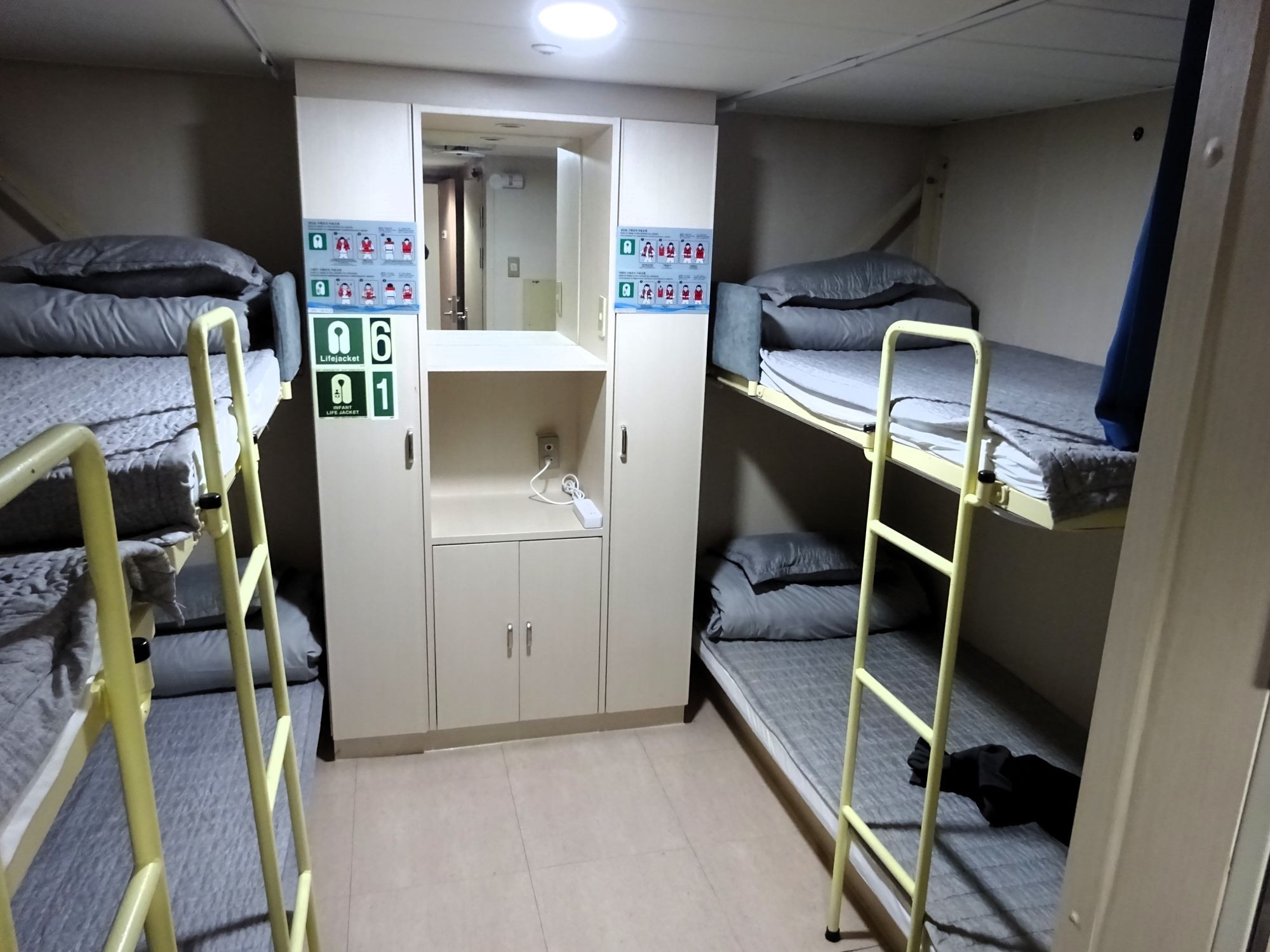
The price was 378 000 KRW for a Standard class ticket (6 bed dormitory cabine) plus 41 000 KRW port tax per person. For one bicycle, we had to pay an additional 52 000 KRW upon check-in at the ferry terminal. That is, in total the price is about 275 € per person incl. one bicycle.
The ferry from Sokcho takes 22 h, departing once per week on Saturdays at 16:00 and arriving at 15:00 on the following day (local time).
⚠ The connection Sokcho–Vladivostok was suspended after we took it due to high fuel prices. As far as we know, the connection Donghae–Vladivostok continued to operate.
Booking:
We first tried to book directly on the GNL website (see above), but when entering your personal data you can only select from 6 nationalities and German wasn’t one of them. So we wrote an email to booking@gnlferry.co.kr that we want to book the ferry Sokcho–Vladivostok for 18.04.2026. We added all relevant data that was also asked for in the online booking form on their website and attached a copy of our passport and Russian e-visa.
A day later they confirmed our request and sent an invoice which we had to pay within four days to finalize the booking. That is, you have to do a bank transfer to a Korean bank account. We used Wise to do an international bank transfer, which worked well and quick (less than one day) and costs about 1 % fee. One day later GNL confirmed the successful payment and sent us the e-tickets as a pdf.
Another day later they sent another e-mail saying that the service Sokcho–Vladivostok will be cancelled from 18.04.2026 due to the increase in fuel prices. They offered us to transfer our money back (to a Korean bank account only) or re-book us to a Donghae ferry (which keeps running normally, apparently). We asked whether we can also be re-booked to the Sokcho ferry one week earlier and they immediately sent us the e-tickets for 11.04.2026.
That is, we took the last ferry from Sokcho before the service was suspended! At the time of writing it is unclear if and when they will resume their service. Therefore, the DuWon ferry from Donghae is currently the only option between South Korea and Vladivostok.
Boarding:
Departure in Sokcho is at the International Cruise (!) Terminal (here on Google Maps). Go there 3 h before departure.
The staff was obviously not familiar with checking in bicycles, but they were friendly and helpful. We had to remove the saddle and front wheel, but only for the bicycle to fit through the bagagge scanner. On the other side of the scanner, we could mount the wheel and saddle again. We could choose to keep a few of our panniers as carry-on bagagge, the remaining panniers went back onto the bicycle after the scanner. Then the staff took our bicycles and pushed them on board of the ship. We had no access to the bicycles and the attached panniers while on the ship.
Note that no knives, lighters, gas catridges etc. are allowed in the carry-on bagagge.
Sailing:
The 6-bed dormitory cabins are sex separated, i.e. we were assigned different cabines. There are sockets on board to charge your devices, free hot and cold drinking water and a restaurant. There is Wifi, but you have to pay for it and it’s expensive.
3. Entering Russia
When we exited the ferry in Vladivostok, our bicycles were already parked on the pier. We pushed them into the ferry terminal to the immigration. When the officer saw our German passports we were taken aside into an adjacent waiting room and then – one after the other, not together – into an office, where we were interrogated. They asked about our travel plans for Russia, but also whether or not we served in the military (no) and have ever been to Ukraine (yes) – and then details about that, in particular if we still have friends/contacts in Ukraine (no). They also made us unlock our phones and checked them out for quite a while, but we couldn’t see the screen during that time, so we don’t know what they were checking out exactly. Eventually, they let us go, we got our stamps and we were in Russia.
4. Trans-Siberian Railway Vladivostok–Moscow
Planning:
You can find the train connections and the still available seats/berth on railrussia.com (an English-language website) or tutu.ru (Russian only but best overview).
There are two connections per day, one departing in the morning and one in the late evening. The one in the morning is more popular because it takes ‘only’ 144 h (whereas the other one takes 164 h) and it rides through the most scenic section Ulan-Ude–Irkutsk during day time. But because of that it also sells out quicker.
If you are travelling as two persons, make sure you book a lower berth and the corresponding upper berth, so that you can both sit on the lower berth during day time. In the 3rd class there are berths along the corridor and perpendicular to the corridor – the latter ones are generally to be preferred as your head will be pointing away from the corridor with its moving people, giving you more ‘privacy’. Also, the center of the wagon (i.e. not adjacent to the toilets nor the entrance) is generally considered the preferred location.
The price for the whole section Vladivostok–Moscow in 3rd class is around 200 € per person. Upon boarding, we had to pay another 30 € per bicycle.
Booking:
We have booked about three weeks in advance and the morning train only had a few individual free berths left. Therefore we booked the evening train. There are six possibilities that we know of to book the train:
(but: does only accept Russian bank/credit cards). (but: website only reachable from Russia, does only accept Russian bank/credit cards). (but: more expensive due to high commissions)., the booking platform of the Belarussian Railway, where you can also book Russian trains and pay with western credit cards; therefore, this is the option that we used. We heard, however, that it might not be possible to book Russian trains here anymore., a Kazakh booking platform with English interface, where you can also book Russian trains and pay with western credit cards. Reported to be a good alternative to pass.rw.by.Boarding:
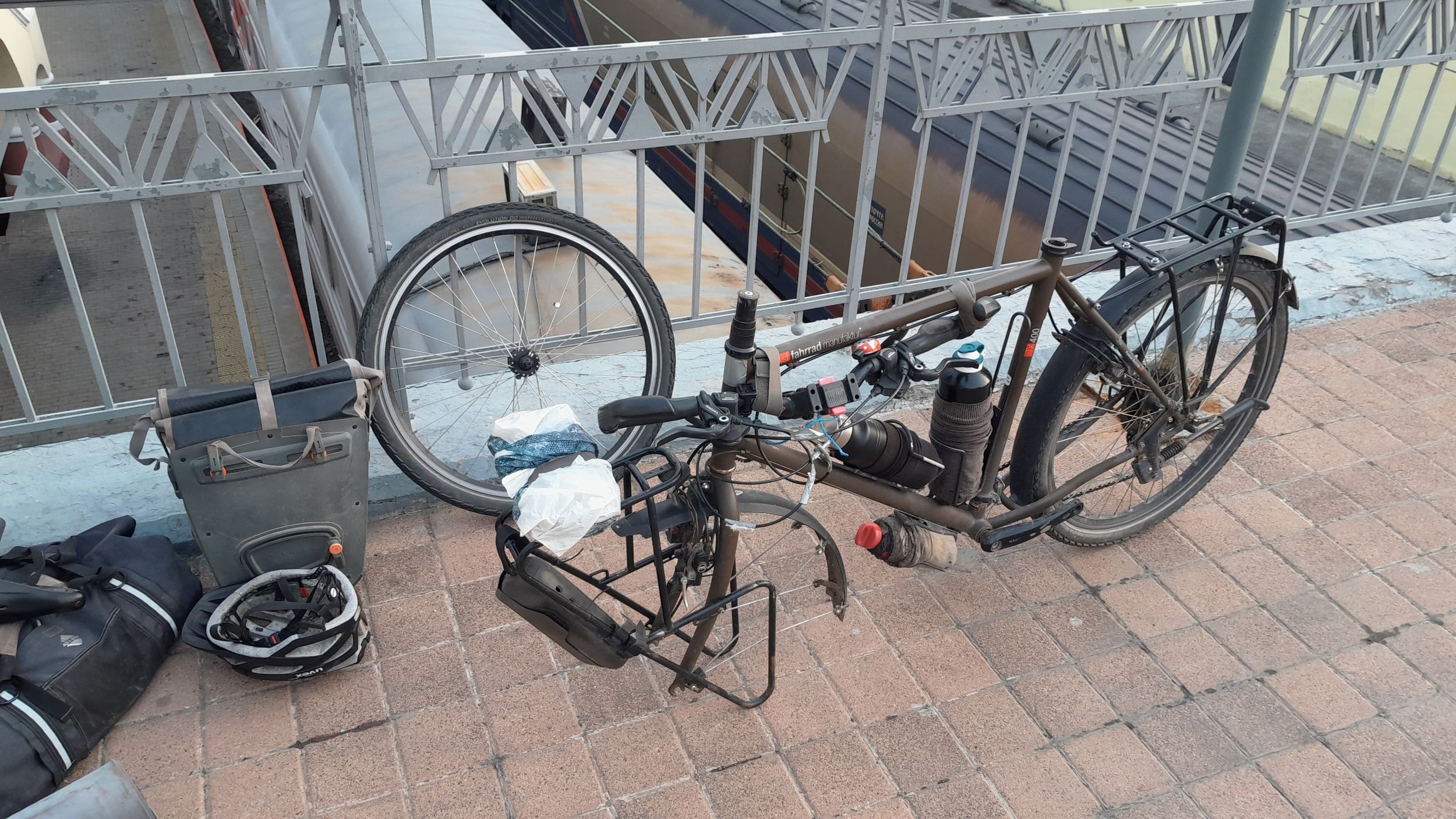
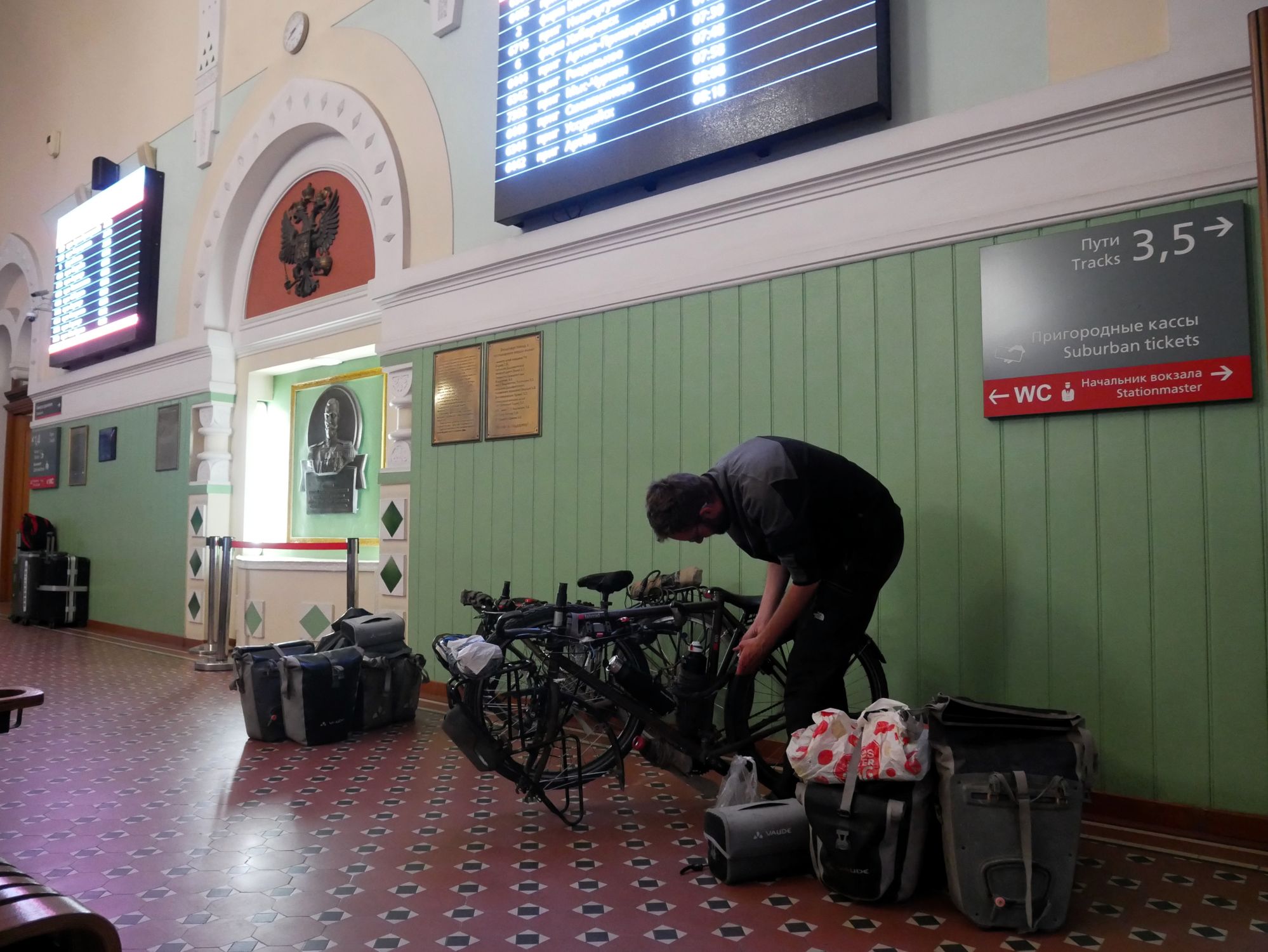
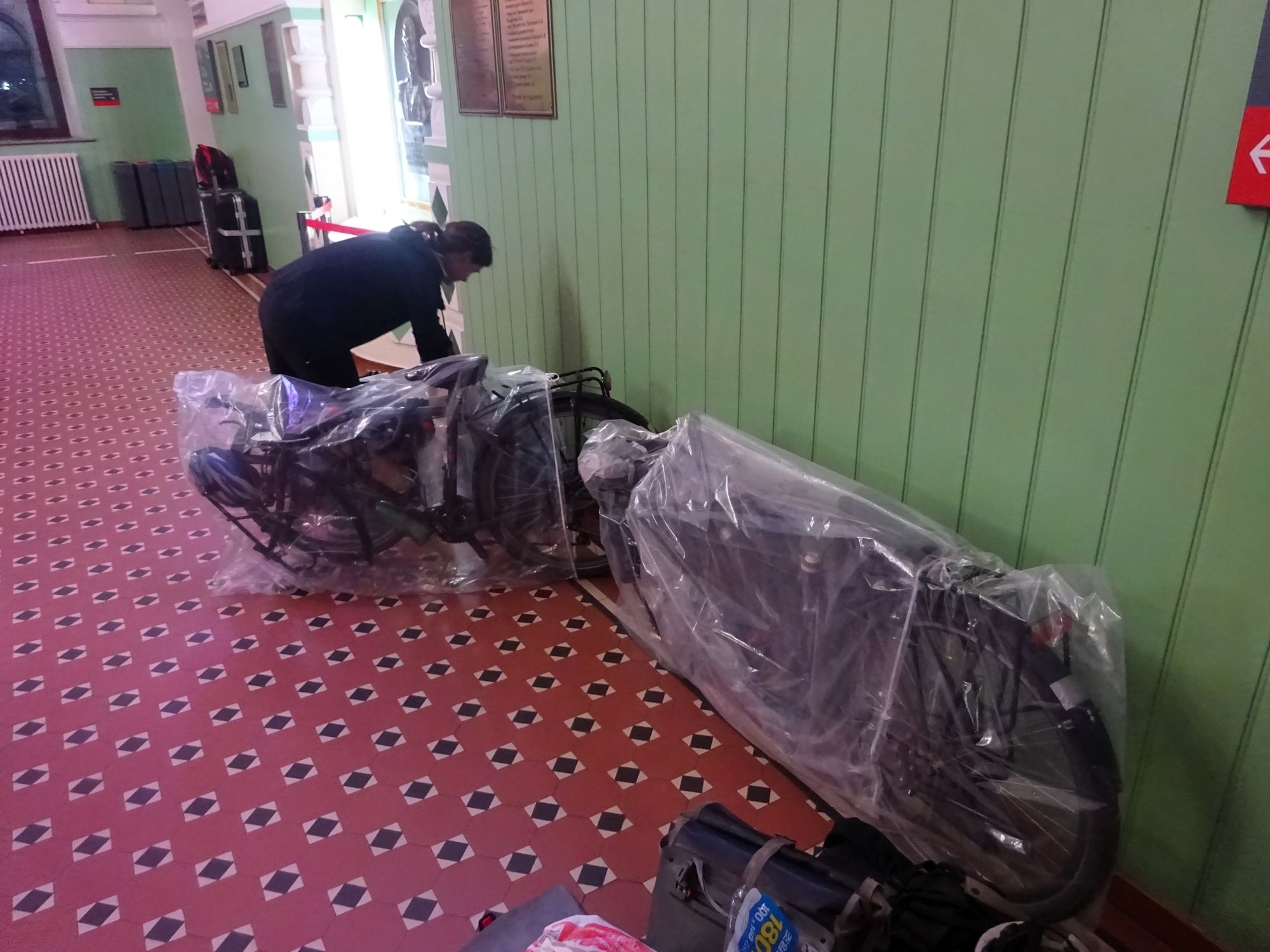
In Vladivostok, we could only reach the platform by going through the station building, and in order to enter the station building all our luggage – incl. our bicycles – had to go through the luggage scanner. For the bicycle to fit through the scanner, we had to remove the front wheel, saddle and handle bar. We also removed the pedals. After the scanner, we left the bicycles disassembled and put them into the 180 l plastic bags that we had bought at the daiso in Sokcho.
About 30 min before departure the platform number appeared on the information screen and we hurried to carry all our stuff down the stairs to the right platform. Each coach has its own conductor, who waits in front of the coach’s entrance door to check the tickets. When she saw our bicycles, she called a colleague who took us to a ticket office where we had to pay the fee of 2709 RUB per bicycle (you could probably do that in advance, so boarding will be a bit less stressful), then we were ordered to put our bicycles at one end of a 2nd class coach (i.e. not our coach, as we had booked 3rd class). After that, we could enter our coach with all our panniers.
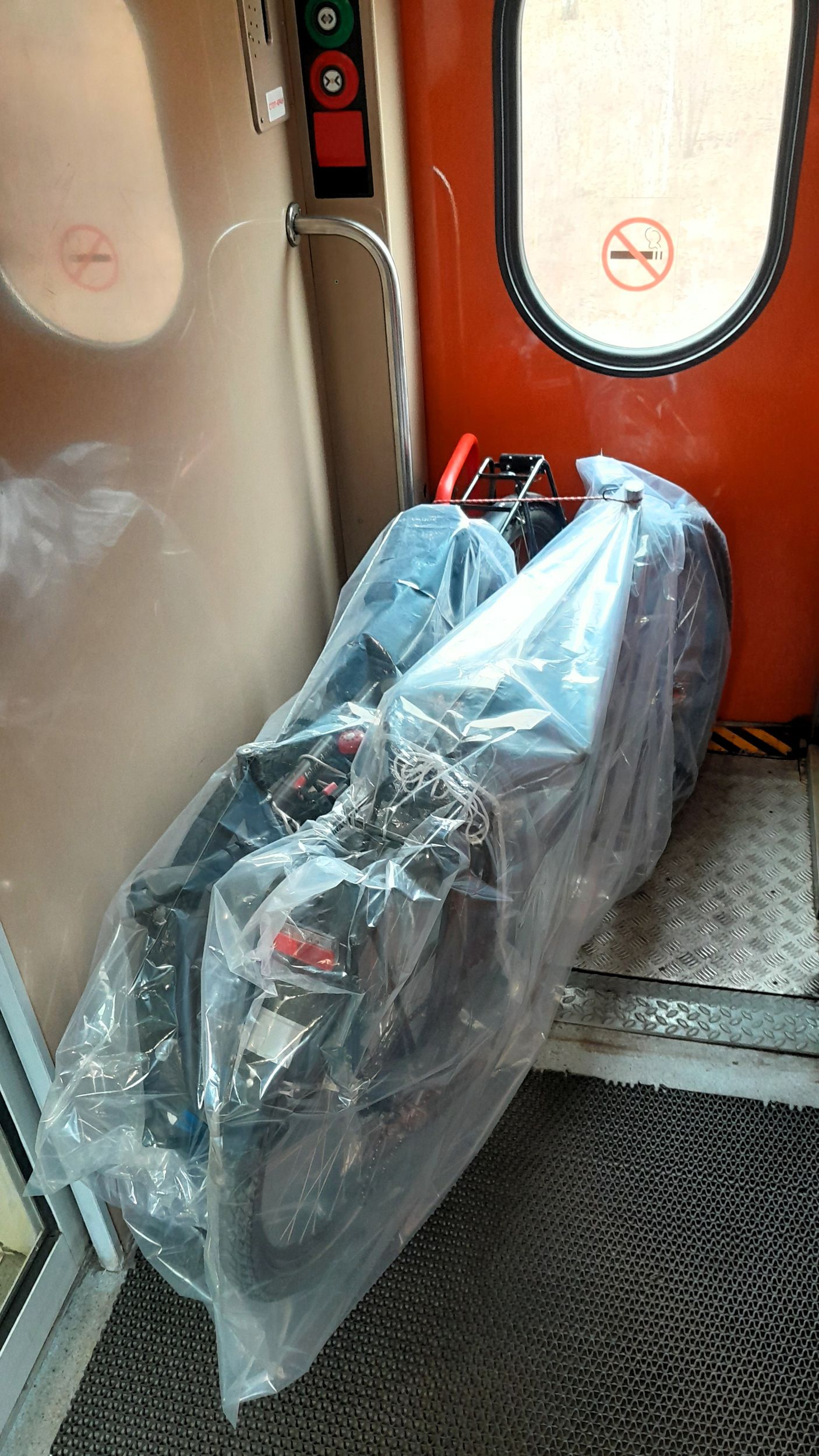
Later on the train we found an information board with ‘train rules’ according to which bicycles can be brought onto the train ‘assembled and disassembled, both packaged and without package’, for a fee – but I’m not sure that’s reliable because for the other train in Russia, Moscow–St. Petersburg, the staff insisted on covering our bikes with a plastic bag.
Riding:
Our train was pretty clean, incl. the toilets. Clean beddings are included in the ticket price. Despite the fierce cold (incl. snow) outside, the coaches were well heated (maybe even a bit too well). Each berth has a socket to charge your devices. There is a hot and cold drinking water dispenser in each coach and a hot shower (it says on signs that the shower is 150 RUB but the train conductor told us it’s free).
Our train was mostly very well on time at the 129 intermediate stops, only in the region of Jekaterinburg we had a delay of up to 30 min. In the end, however, we reached the final destination, Moscow-Jaroslavskaya station, perfectly on time.
Note that there were no roofs on the arrival platforms in Moscow which was pretty annoying because it was raining when we arrived.
5. Railway Moscow–St. Petersburg
After two days of sightseeing in Moscow, we took the train to St. Petersburg. There are many connections, both during day time and night trains. We booked a night train for about 50 € per person. The booking etc. worked in exactly the same way as for the Trans-Siberian Railway. Watch out that there are also high-speed trains, the so-called Sapsan, and we have no idea if they take bicycles.
The train departs at Moscow-Oktyabrskaya, which is synonymeous to Leningradskii Vokzal (i.e. both names refer to the same station). It’s immediately adjacent to Moscow-Jaroslavskaya, so if you don’t want to stay in Moscow for a while, you can easily transfer the trains.
Other than in Vladivostok, we went to the ticket office to buy the bicycle tickets before going to the train for boarding. This is definitely recommended here, because the ticket office is actually in the building of the Moscow-Jaroslavskaya station and thus much further away from the platforms than in Vladivostok – you don’t want to need to run back to the ticket office after being told so by the train conductor during boarding! It’s also generally much busier here then in Vladivostok. The bicycle tickets were about 5 € per bicycle.
Other than in Vladivostok, the bicycles had not to go through the bagagge scanners (only the panniers needed to go through). Therefore, we disassembled them only right on the platform (other than in Vladivostok, we didn’t remove the handle bar but just turned it sideways) and covered them with our plastic bags. They ended up in a baggage compartment in another coach than our’s.
6. Things to be Aware of in Russia
7. Cycling from St. Petersburg to Narva
As far as we know, the Russian–Finish border crossings are closed. Therefore, we cycled to Narva. That’s about 180 km and we did it in two and a half days, that is we wild camped twice along the way in Russia, well hidden in forests. See our route map for all details.
It wasn’t overly pleasant for cycling, we hardly found any quiet roads. Towards the end, the roads had at least a shoulder. But other than traffic we had no issues. There wasn’t much police around, except for one checkpoint like 10 km ahead of the border, but they only took a quick look into our passports and then waved us through.
Crossing the border was very quick and straight forward. Just a bagagge scan on the Russian side, but no questions or interrogation or phone check or anything. On the Estonian side we could use the automatic gates with our EU passport and were through within seconds.
| Previous Report | All Reports | Next Report |


Zweiradler Tours: Central Asia Tour
Belinda
Tizian


all Zweiradler Tours • About Us • Support • Contact • Legal Notices
For the licensing of the content of this website and the privacy policy see the legal notices. © 2022 Belinda Benz & Tizian Römer.


 Home
Home

 Route
Route
 Reports

 Statistics

 Gear
Gear

 FAQ
FAQ

